Urinary Tract Infection (UTI) in Men & Women: Prevention, Symptoms & Treatment

Introduction
Do you experience a burning sensation while urinating? Do you feel the urge to visit the bathroom repeatedly, even when little urine comes out? These symptoms may indicate a urinary tract infection (UTI).
UTIs are among the most common infections affecting both men and women. While women are more likely to develop a UTI, men can also experience urinary infections that require prompt medical attention.
Understanding the causes, symptoms, prevention strategies, and treatment options can help you avoid complications and recover faster. This guide covers everything you need to know about urinary tract infections and when to seek expert care.
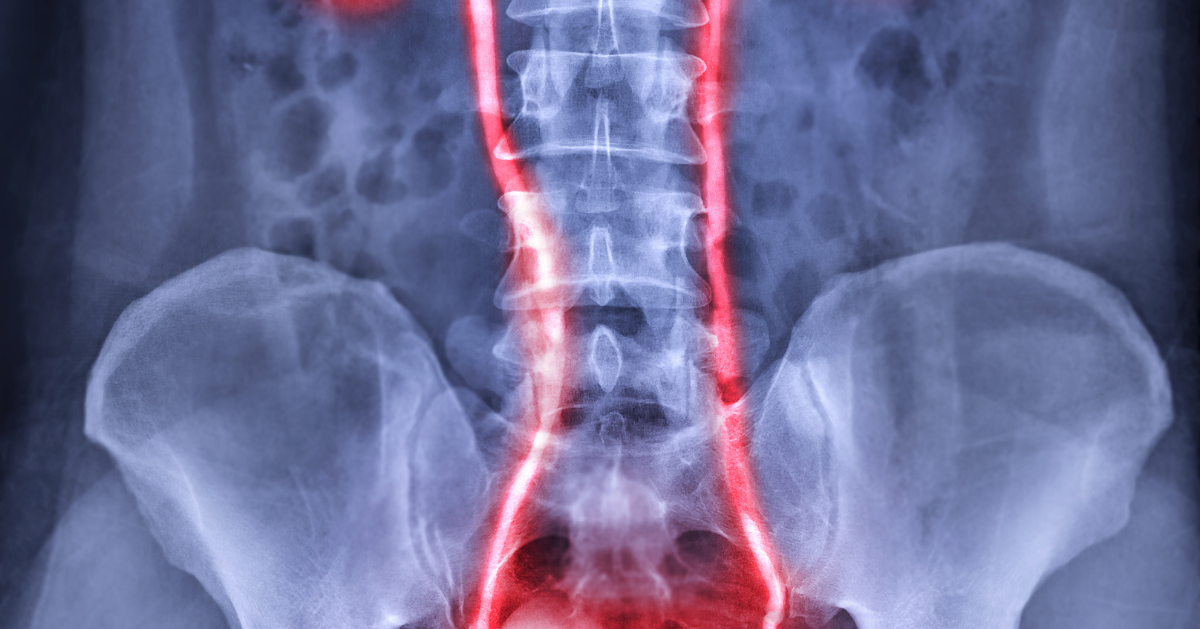
What Is a Urinary Tract Infection?
A urinary tract infection occurs when bacteria enter the urinary system and multiply. The infection can affect different parts of the urinary tract, including:
- Urethra
- Bladder
- Ureters
- Kidneys
Most UTIs affect the bladder and urethra. If left untreated, the infection can travel to the kidneys and lead to more serious health issues.
UTIs are a common condition treated in the field of Urology, which focuses on disorders affecting the urinary system in both men and women.
Types of Urinary Tract Infections
This infection affects the urethra, the tube that carries urine out of the body.
• Burning while urinating
• Itching around the urethral opening
• Mild discomfort
Cystitis is a bladder infection and the most common type of UTI.
• Frequent urination
• Pelvic discomfort
• Cloudy urine
• Strong-smelling urine
Kidney infection requiring immediate medical attention.
• Fever
• Chills
• Back or flank pain
• Nausea
• Vomiting
Why Are UTIs More Common in Women?
Women experience UTIs more often because of their anatomy.
The female urethra is shorter than the male urethra. This allows bacteria to reach the bladder more easily.
Other factors that increase the risk include:
- Sexual activity
- Pregnancy
- Menopause
- Certain contraceptive methods
- Previous urinary infections
Studies show that more than half of women experience at least one UTI during their lifetime.
Why Can UTIs Be More Concerning in Men?
UTIs are less common in men, especially younger men.
When a man develops a UTI, doctors often look for an underlying cause.
- Enlarged prostate
- Kidney stones
- Urinary obstruction
- Poor bladder emptying
- Diabetes
In many cases, further evaluation by a specialist may be needed to identify the root cause of recurrent infections.
Common Symptoms of UTI
Recognizing symptoms early can prevent complications.
Symptoms in Women
• Frequent urge to urinate
• Pelvic pain
• Cloudy urine
• Blood in urine
• Foul-smelling urine
Symptoms in Men
• Increased urinary frequency
• Lower abdominal pain
• Difficulty emptying the bladder
• Blood in urine
Symptoms That Need Immediate Attention
• Severe back pain
• Chills
• Nausea or vomiting
• Persistent blood in urine
These symptoms may indicate a kidney infection and require urgent medical care.
What Causes a Urinary Tract Infection?
Most UTIs are caused by Escherichia coli (E. coli), a bacteria normally found in the digestive tract.
The bacteria can enter the urinary tract and multiply.
- Poor hydration
- Holding urine for long periods
- Diabetes
- Weakened immunity
- Catheter use
- Kidney stones
- Incomplete bladder emptying
A simple habit such as delaying urination regularly can increase your risk of infection over time.
How Is a UTI Diagnosed?
Doctors diagnose UTIs using symptoms and laboratory tests.
Checks for bacteria, white blood cells, and blood in urine.
Identifies the exact bacteria causing the infection.
Ultrasound, CT scan, or cystoscopy for recurrent cases.
Treatment Options for UTI
Standard treatment for bacterial UTIs. Most patients improve in a few days.
Helps reduce burning, discomfort, and bladder irritation.
Helps flush bacteria from the urinary system.
May require extended treatment and further investigations.
Completing the full antibiotic course is important for complete recovery and prevention of recurrence.
What Happens If a UTI Is Left Untreated?
- Kidney infection
- Recurrent UTIs
- Kidney damage
- Sepsis in severe cases
- Pregnancy-related complications
Early diagnosis and treatment help prevent these outcomes.
How to Prevent Urinary Tract Infections
Simple lifestyle habits can reduce your risk significantly.
Aim for adequate hydration throughout the day. Frequent urination helps remove bacteria.
Empty your bladder whenever you feel the urge.
Wipe from front to back and avoid harsh intimate products.
Helps flush bacteria from urinary tract.
Important for diabetic patients to reduce infection risk.
Cotton underwear reduces moisture buildup.
When Should You See a Urologist?
- Symptoms persist beyond 48 hours
- Blood appears in urine
- UTIs occur repeatedly
- Fever develops with urinary symptoms
- You are a male experiencing a urinary infection
Prompt evaluation can identify underlying causes and prevent complications.
Expert UTI Care at Dr Das Multispeciality Hospital
Patients experiencing recurrent urinary tract infections often require a detailed evaluation beyond routine treatment.
At Dr Das Multispeciality Hospital, specialists assess underlying causes such as kidney stones, urinary obstruction, prostate enlargement, and recurrent bladder infections.
Advanced diagnostic facilities and individualized treatment plans help patients achieve better long-term outcomes and reduce recurrence risk.
Dr. Debashish M. Das
M.S., M.Ch., F.M.A.S.
GI Endoscopist & Laparoscopic General Surgeon
Frequently Asked Questions (FAQs)
Book a Consultation
Schedule your consultation for expert UTI diagnosis and treatment.
Book Appointment