Trauma Care After Road Accidents
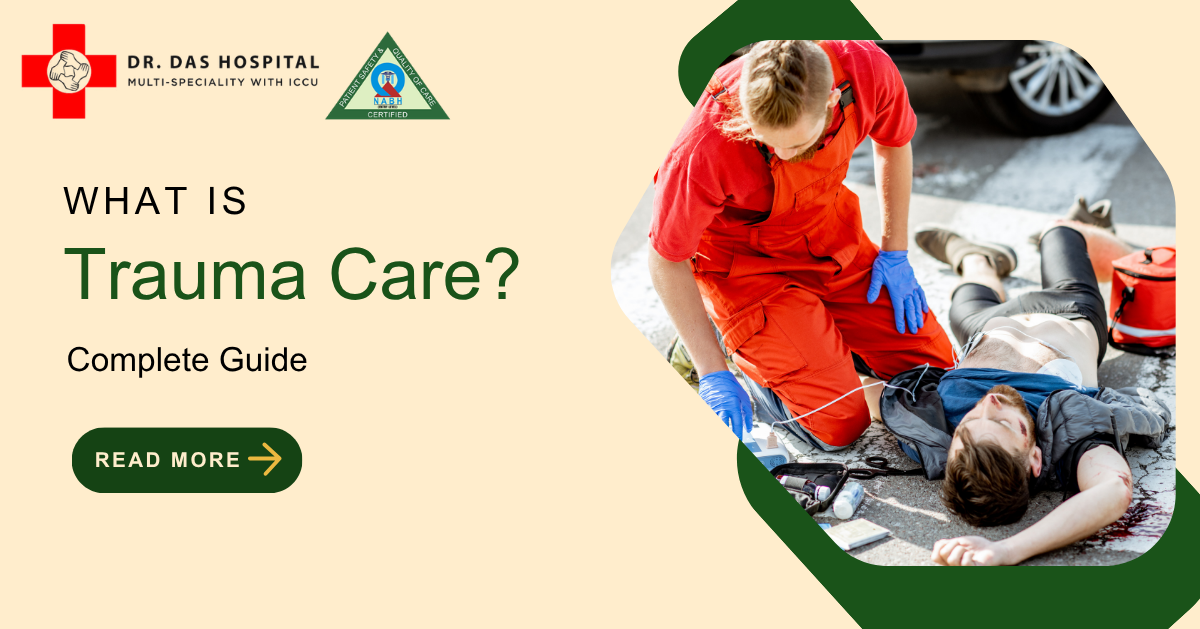
Trauma Care After Road Accidents: What to Expect
When a road accident happens, the moments that follow can feel confusing and overwhelming. Trauma care after such incidents plays a central role in saving lives and helping people recover. Knowing what to expect can ease your mind and guide your decisions at every stage.
You will learn how acute care works, the role of specialists, what treatments you may encounter, and why follow-up matters. This information is useful whether you are a patient, a caregiver, or someone preparing for a medical journey.
The First Minutes After an Accident
The period immediately after a crash is critical. Emergency responders focus on stabilising life-threatening injuries first. They check your airway, breathing, and circulation. This is sometimes called the ABC approach in trauma care.
Imaging like X-rays, CT scans, or ultrasounds help detect hidden internal injuries that aren't obvious at first glance. Quick decisions at this stage set the foundation for safe recovery and best outcomes.
Accident victims may need emergency fluids, pain management, splints for suspected fractures, and monitoring for shock or internal bleeding. Time matters greatly during this phase.
What Happens in the Hospital
Once you reach a trauma centre, a team of medical professionals takes over. Nurses, surgeons, orthopaedic experts, and anaesthesiologists coordinate care.
The hospital environment can be fast‑paced but structured. You may see doctors checking vital signs, inserting IV lines, or ordering urgent tests.
A Closer Look at Orthopaedic Care
One of the most common injuries after a road crash involves bones, joints, muscles, and ligaments. These are all areas managed by an Orthopaedic specialist in Mumbai or wherever you receive care.
Orthopaedic experts handle injuries such as:
They are trained to reduce risk of long‑term disability and improve functional outcomes after trauma.
Emergency and Definitive Treatment Options
Medical care after trauma is not one-size-fits-all. Treatment paths depend on injury severity and your overall health.
Immediate Stabilisation
Surgery
Non-Surgical Care

Recovery and Rehabilitation
Trauma care doesn't end when surgery is over or wounds heal. Plan for weeks or months of progress checks, physical therapy, and lifestyle adjustments.
Physical therapy aims to:
Regular follow‑up visits evaluate how your injuries are healing and adjust care plans as needed.
Rehabilitation is as important as the initial treatment. A strong recovery plan reduces the risk of long‑term disability.
When You May Need Specialist Support
Road crash injuries can range from mild to complex. Signs you may need specialist care include:
If these occur, seek specialised medical attention. A trauma team, including orthopaedic and surgical professionals, can improve recovery drastically.
Local Options and Support
In Mumbai and surrounding areas, advanced hospitals offer trauma care, emergency services, and orthopaedic support. One well-known facility for comprehensive treatment is Das Hospital Mumbai, where trauma teams work with specialists to handle complex injuries quickly and efficiently.
Whether in central Mumbai or surrounding regions, knowing where to go and whom to contact in an emergency can save precious time.
Frequently Asked Questions About Trauma Care
Trauma care after road accidents involves urgent treatment, specialised intervention, and ongoing rehabilitation. You deserve the right care at the right time. Knowing what to expect helps reduce fear and guide your decisions. Whether you’re healing yourself or supporting a loved one, staying informed empowers your recovery journey.
Book Consultation
Consult an Orthopaedic specialist for trauma evaluation and the right treatment plan.
Book Appointment