Can Piles (Hemorrhoids) Be Treated Without Surgery?
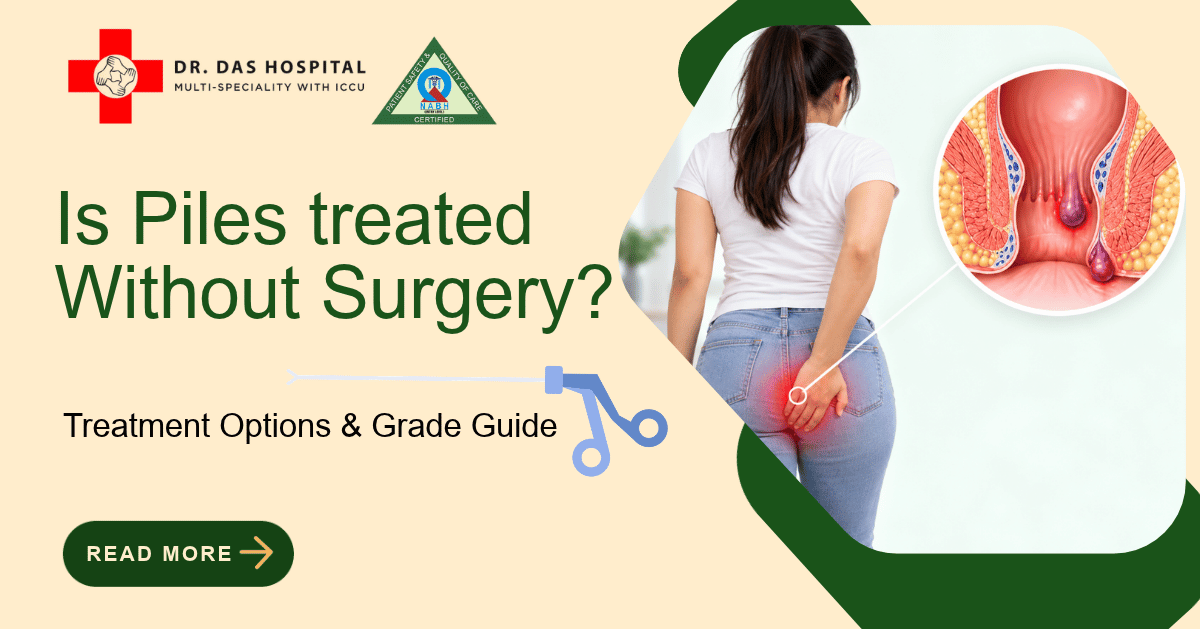
Can Piles (Hemorrhoids) Be Treated Without Surgery? Treatment Options & Grade Guide
Yes, piles can often be treated without surgery, especially when diagnosed early. Bleeding during bowel movements, swelling near the anus, or pain while sitting can make even simple daily activities difficult. Many people ignore these symptoms because they fear surgery or a painful recovery. But not every case of piles needs an operation. Medicines, dietary changes, and certain outpatient procedures can provide relief. The important part is understanding what is causing your symptoms and which treatment will actually help.
At Dr Das Multispeciality Hospital, the General & Laparoscopic Surgery department provides evaluation and treatment for anorectal conditions, including piles.
1. Are You Actually Suffering from Piles?
Before looking for piles treatment without surgery, you need to know whether the problem is piles in the first place.
Not every lump, swelling, or bleeding episode around the anus is caused by haemorrhoids. Several conditions have similar symptoms but require different treatments.
Piles (Haemorrhoids)
Piles are enlarged vascular cushions inside or around the anus. They may cause bright red bleeding, itching, swelling, or a lump that protrudes during bowel movements.
Anal Fissure
An anal fissure is a small tear in the anal lining. It often causes sharp pain while passing stools, which may continue for several hours.
Anal Fistula
An anal fistula is an abnormal tunnel between the anal canal and surrounding skin. Repeated swelling, pus discharge, and infections are common symptoms.
Rectal Polyps or Cancer
These conditions may also cause rectal bleeding, changes in bowel habits, or other symptoms.
Using piles creams repeatedly without confirming the diagnosis may temporarily reduce discomfort while leaving the actual problem untreated.
A physical examination, sometimes supported by anoscopy or proctoscopy, helps identify the cause. Consulting a General & Laparoscopic Surgeon in Mumbai can help determine whether your symptoms require medicines, a minor procedure, or surgical treatment.
2. Which Grades of Piles Can Be Treated Without Surgery?
Internal piles are classified into four grades depending on how far they protrude from the anus.
| Grade | What You May Experience | Possible Treatment |
|---|---|---|
| Grade 1 | Bleeding without a protruding lump | Fibre, medicines, lifestyle changes |
| Grade 2 | Lump comes out during stools but returns automatically | Conservative care, banding, sclerotherapy |
| Grade 3 | Lump needs to be pushed back manually | Selected outpatient procedures or surgery |
| Grade 4 | Lump remains outside and cannot be pushed back | Usually requires surgical treatment |
Grade 1 and Grade 2 piles often improve without conventional surgery.
Some Grade 3 cases may also respond to outpatient procedures. Grade 4 piles are more likely to require an operation, particularly when symptoms persist.
The grade alone does not determine treatment. Bleeding, pain, external haemorrhoids, and previous treatment results also matter.
3. Non-Surgical Treatment Options for Piles
For early-stage piles, treatment usually begins with managing constipation and reducing pressure during bowel movements.
Dietary Changes and Medicines
Hard stools and repeated straining can worsen haemorrhoid symptoms.
Increasing fibre intake helps make stools softer and easier to pass. Fruits, vegetables, whole grains, and lentils are useful dietary sources.
Drinking adequate water also helps prevent constipation.
Your doctor may prescribe fibre supplements, stool softeners, or topical creams to relieve symptoms.
Certain venotonic medicines, such as micronized purified flavonoid fraction (MPFF), may help reduce bleeding and discomfort in selected patients.
A warm sitz bath can also provide temporary relief. Sit in plain lukewarm water for 10–15 minutes and gently dry the area afterward.
Avoid prolonged sitting on the toilet and excessive straining.
These measures can improve symptoms, but they may not correct large or repeatedly prolapsing piles.
Rubber Band Ligation
Rubber band ligation is a commonly used outpatient treatment for internal haemorrhoids.
A small rubber band is placed around the base of the haemorrhoid to restrict its blood supply. The tissue gradually shrinks and separates.
The procedure is performed above the dentate line, where pain sensation differs from the sensitive skin surrounding the anus.
General anaesthesia and hospital admission are usually unnecessary, although patients may experience pressure or discomfort afterward.
Sclerotherapy and Infrared Coagulation
Sclerotherapy involves injecting a solution into the haemorrhoid to produce scarring and shrinkage.
Infrared coagulation uses controlled infrared energy to reduce blood flow to selected internal piles.
Both are office-based medical procedures rather than home treatments.
4. Is Laser Treatment for Piles Completely Painless?
Laser treatment is often promoted as a painless solution for piles. This can create unrealistic expectations.
Laser Hemorrhoidoplasty (LHP) uses laser energy delivered through a probe to shrink selected haemorrhoidal tissue.
Some patients experience less postoperative pain and faster early recovery compared with conventional haemorrhoidectomy.
But laser treatment is not completely painless.
It may require anaesthesia, and patients can still experience discomfort, swelling, bleeding, or other complications.
Laser treatment is also not suitable for every type or grade of piles.
Another important point is that piles can return after laser treatment.
The decision should depend on the size, grade, and location of the haemorrhoids rather than the availability of laser technology alone.
5. Minimally Invasive Procedures and When Surgery Is Necessary
When medicines and outpatient procedures fail to control symptoms, surgical treatment may become necessary.
Haemorrhoidal Artery Ligation
Haemorrhoidal artery ligation reduces blood flow to enlarged haemorrhoids by tying off their supplying arteries.
In Doppler-guided haemorrhoidal artery ligation (DG-HAL), a Doppler probe helps identify these arteries.
For selected prolapsing haemorrhoids, the procedure may be combined with rectoanal repair to lift the protruding tissue.
This approach may reduce postoperative discomfort in some patients, although recurrence remains possible.
Conventional Haemorrhoidectomy
A haemorrhoidectomy removes enlarged haemorrhoidal tissue.
It may be recommended for large Grade 3 or Grade 4 piles, persistent symptoms, or cases where other treatments have failed.
Recovery can involve pain, particularly during bowel movements. Pain medicines, stool softeners, and appropriate postoperative care help manage discomfort.
No single technique is suitable for everyone. The aim is to choose treatment that offers effective symptom control with acceptable risks.
6. When Should You See a Surgeon for Piles?
Rectal bleeding should never automatically be assumed to be piles.
Arrange a medical examination if you experience:
- Repeated bleeding during bowel movements.
- A painful lump or persistent swelling near the anus.
- Tissue protruding from the anus.
- Pus discharge or repeated infections.
- Symptoms that continue despite medicines.
- Unexplained weight loss or changes in bowel habits.
Heavy bleeding, fainting, severe pain, or black, tarry stools require urgent medical attention.
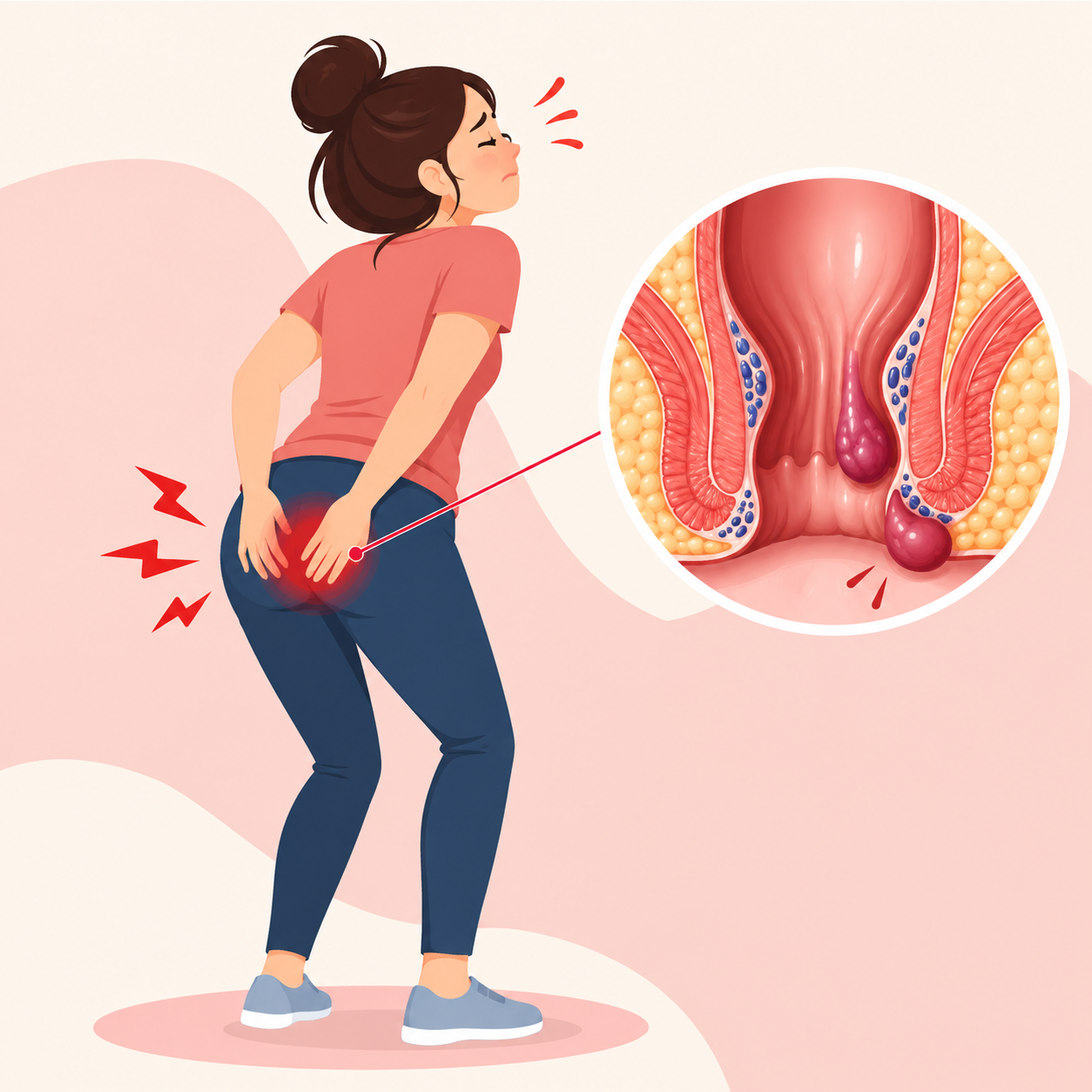
A proper examination helps distinguish piles from fissures, fistulas, and other conditions that may require different treatment.
Watch: Can Piles Be Treated Without Surgery?
Learn about the differences between piles and other anal conditions, available treatment options, and why an accurate diagnosis matters before choosing surgery or laser treatment.
Frequently Asked Questions About Piles Treatment
Conclusion
Piles can often be treated without surgery, particularly in the early stages. Medicines, dietary changes, and outpatient procedures may provide relief, while advanced cases sometimes require laser treatment, artery ligation, or conventional surgery. The most important step is confirming that your symptoms are actually caused by piles and identifying their severity. If you experience persistent bleeding, swelling, or pain around the anus, consult the General & Laparoscopic Surgery department at Dr Das Multispeciality Hospital for an accurate diagnosis and a treatment plan suited to your condition.