Safeguarding Your Kidneys: Special Monsoon Care for Diabetics

Kidneys Care in Monsoon for Diabetics
The monsoon brings cool weather, refreshing showers, and strong cravings for hot chai, pakoras, and spicy snacks. But if you are living with diabetes, the rainy season also brings a few hidden challenges for your kidney health.
Changes in activity levels, food habits, hydration, and infection risks can put extra stress on your kidneys. Since diabetes is one of the leading causes of kidney problems, taking small precautions during monsoon can help protect kidney function.
This guide explains why diabetics need special kidney care during the monsoon, what lifestyle changes can help, and when you should consult a kidney specialist for advice.
Why Monsoon Needs Extra Kidney Care for People With Diabetes
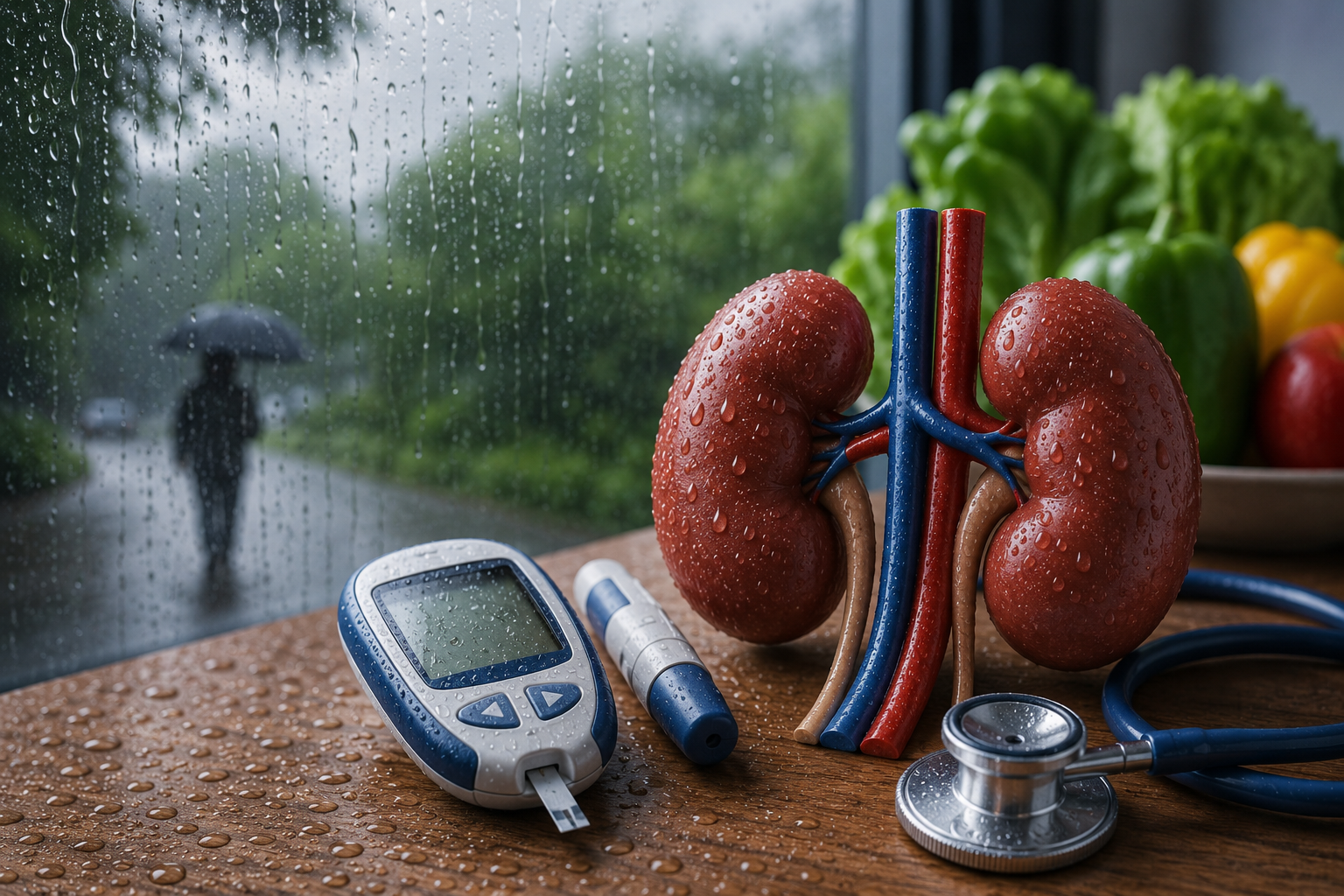
During monsoon, your daily routine often changes without you noticing.
The weather becomes cooler, outdoor walks reduce, and many people spend more time indoors. Less physical activity can make blood sugar control more difficult. When blood sugar stays high for a long time, it can damage the tiny blood vessels inside the kidneys.
For people with diabetes, the kidneys already work harder to filter excess sugar and waste from the blood. Poor sugar control can gradually affect their filtering ability and increase the risk of diabetic kidney disease.
Monsoon can add more challenges:
- Humidity and stagnant water increase the growth of bacteria and infections
- Reduced sweating and thirst can make you drink less water
- Rainy weather increases cravings for fried and processed foods
- Less exercise can affect blood sugar and blood pressure levels
Good kidney care is not about avoiding everything you enjoy during monsoon. It is about making smarter choices that protect your health, guided by an experienced Nephrology specialist.
5 Monsoon Kidney Care Tips for Diabetics
A rainy evening with chai and snacks feels incomplete for many people. The problem is not enjoying these foods occasionally. The problem comes when fried snacks become a daily habit.
High blood sugar can silently affect kidney health over time. Maintaining stable sugar levels helps reduce stress on your kidneys.
Try these practical monsoon swaps:
- Replace deep-fried pakoras with baked snacks or roasted makhana
- Choose moong dal chilla instead of oily evening snacks
- Enjoy boiled corn in controlled portions instead of sugary or fried foods
- Add seasonal foods like karela and other fibre-rich vegetables to your meals
- Include protein sources according to your doctor's advice
A balanced routine is an important part of diabetes management and kidney protection.
Many people drink less water during monsoon because the cooler temperature reduces the feeling of thirst. But your kidneys still need enough fluid to remove waste from the body.
Low fluid intake can increase the concentration of sugar and waste products in the blood, creating more workload for the kidneys.
Simple hydration tips:
- Keep a water bottle nearby and sip throughout the day
- Choose clean and filtered water
- Avoid sugary drinks and packaged juices
- Warm herbal drinks like tulsi or ginger tea can be a comforting option during rainy weather
Urinary tract infections become more common during monsoon because bacteria can spread easily in damp conditions. People with diabetes have a higher risk because elevated blood sugar can affect the body's ability to fight infections.
Walking through waterlogged areas is sometimes unavoidable in cities. What you do afterward matters.
Follow these steps:
- Wash your feet properly after coming home
- Use clean water and soap to remove dirt and germs
- Dry your feet completely, especially between the toes
- Avoid wearing damp socks or footwear for long periods
- Change wet clothes quickly
If you notice burning while urinating, frequent urination, fever, lower abdominal discomfort, or unusual weakness, consult a doctor early.
Monsoon cravings are real. Completely avoiding your favourite foods can make healthy eating difficult to follow.
The better approach is choosing healthier alternatives.
- Instead of deep-fried pakoras every evening — try baked vegetable snacks, roasted chana, or moong dal chilla
- Instead of sugary beverages — try unsweetened herbal tea or lemon water without added sugar
If you have reduced kidney function, food choices may need extra planning. Certain foods high in potassium, phosphorus, or protein may need adjustment depending on your kidney reports.
A doctor specialising in Nephrology can help create a diet plan based on your diabetes and kidney health.
Kidney problems related to diabetes may develop slowly without obvious symptoms. Many people discover kidney issues only after significant changes occur.
Regular monitoring helps identify problems at an earlier stage. Your doctor may recommend:
- Urine tests to check protein leakage
- Blood tests to assess kidney function
- Blood pressure monitoring
- Regular diabetes reviews
Specialised Kidney Care for Diabetics
At Dr Das Multispeciality Hospital, patients can consult experienced specialists for kidney-related conditions, including diabetes-associated kidney problems, with a focus on personalised care.
Frequently Asked Questions
Conclusion
Monsoon is a season to enjoy, but diabetes requires extra attention during these months. Simple steps like controlling blood sugar, staying hydrated, preventing infections, choosing smarter food options, and keeping regular kidney checkups can support long-term kidney health.
If you have diabetes or concerns about kidney function, consult a qualified nephrologist for personalised advice. With the right care and daily habits, you can enjoy the rainy season while keeping your kidneys protected.
List of Consultants

Book a Kidney Care Consultation
Schedule a consultation with the Nephrology team at Dr Das Multispeciality Hospital for personalized evaluation, diagnosis, and kidney care guidance.
Book Appointment