Minimally Invasive Urological Surgeries: Benefits, Techniques, and What You Should Expect
Introduction
Urinary problems often start with simple symptoms like burning urination, pain in the lower abdomen, or difficulty passing urine. Many people ignore these signs until the condition affects daily life. At that point, surgery may feel stressful and confusing.
Modern Urology has changed this experience with minimally invasive procedures that focus on precision and faster recovery.
These treatments reduce the need for large cuts and long hospital stays. They are now widely used in kidney, bladder, and prostate conditions.
This blog explains how these procedures work, when they are needed, and what you should expect before choosing treatment with a Urologist in Mumbai or at centers like Dr Das Multispeciality Hospital.
Understanding minimally invasive Urology procedures
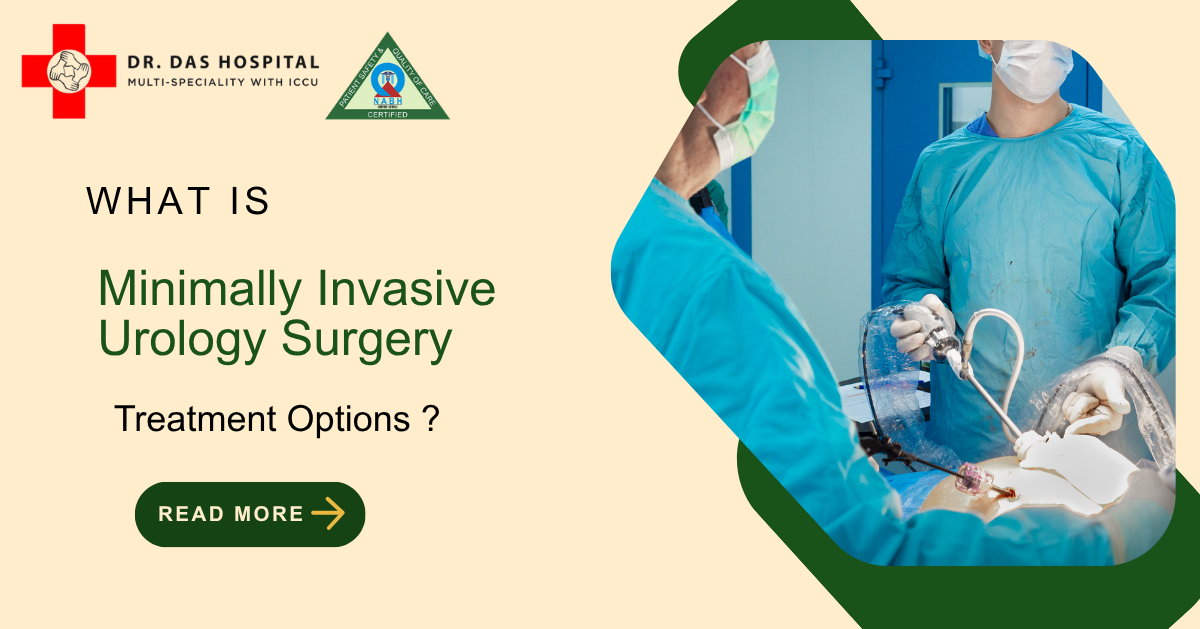
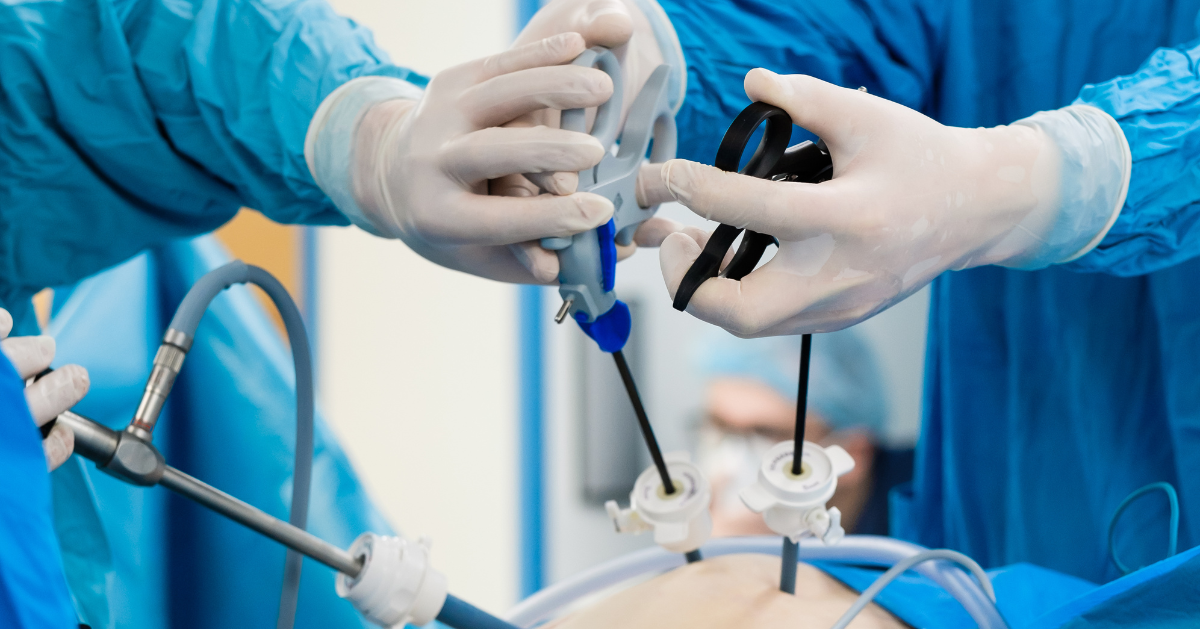
Minimally invasive Urology procedures use small incisions or natural body openings to treat urinary system problems. A camera and thin surgical tools help the doctor operate with accuracy.
Unlike traditional surgery, these techniques aim to reduce tissue damage and speed up recovery. A trained Urologist in Mumbai may recommend these procedures depending on your diagnosis and overall health condition.
Common methods include:
- Laparoscopic surgery using small cuts and camera guidance
- Endoscopic surgery through the urinary tract
- Laser-based stone treatment
- Robotic-assisted surgery for precision work
Each method is selected based on stone size, tumor location, infection level, or prostate enlargement severity.
When do doctors recommend these procedures
Not every urinary problem needs surgery. A specialist in Urology first evaluates symptoms, reports, and imaging tests before suggesting treatment.
You may need minimally invasive procedures in cases like:
- Kidney stones that do not pass naturally
- Enlarged prostate affecting urine flow
- Bladder tumors detected early
- Blockages in ureter or urinary tract
- Repeated urinary infections linked to structural issues
In hospitals like Dr Das Multispeciality Hospital, doctors focus on selecting the least invasive option that gives effective results while protecting healthy tissue.
How minimally invasive Urology techniques work
Different techniques serve different purposes. Understanding them helps you know what actually happens during treatment.
Small cuts are made in the abdomen. A camera sends live images to a screen. Instruments are used to remove or repair affected tissue. This method is common in kidney-related procedures in Urology.
A thin tube is passed through the urinary passage. It helps treat stones, blockages, or bladder issues without external cuts. A Urologist in Mumbai often uses this for quick diagnostic and treatment procedures.
Laser energy breaks kidney stones into smaller pieces so they can pass naturally. It reduces physical trauma and shortens recovery time.
This method uses robotic arms controlled by the surgeon. It improves precision in complex procedures like prostate surgery. It is often used when accuracy in tight spaces is required.
Benefits you can expect from modern Urology care
Minimally invasive procedures have changed patient outcomes in Urology.
Key benefits include:
- Less physical discomfort
Smaller cuts reduce pain and tissue damage during recovery. - Faster return to routine
Most patients resume daily activities within days depending on the procedure. - Short hospital stay
Many procedures allow discharge within 24 to 48 hours. - Lower infection risk
Smaller wounds reduce exposure to infection. - Better surgical precision
Advanced tools help the surgeon target only the affected area. - Minimal scarring
Small incisions leave less visible marks on the body.
These benefits are the reason many patients prefer consulting a Urologist in Mumbai for early treatment instead of delaying care.
Recovery process after Urology surgery
Recovery depends on the type of procedure and overall health condition.
In most cases, patients experience mild discomfort for a short time. Pain is managed with simple medication. Walking is encouraged within a few hours to improve blood flow.
A catheter may be used temporarily in some Urology procedures. It is removed once normal urinary function returns.
You may be advised to:
- Drink more fluids to flush the urinary system
- Avoid heavy physical work for a few days
- Follow a light diet initially
- Attend follow-up visits for monitoring
At centers like Dr Das Multispeciality Hospital, recovery plans are personalized based on the procedure and patient condition.
Choosing the right specialist matters
The success of treatment depends on both technology and expertise.
A qualified Urologist in Mumbai studies your symptoms, test reports, and imaging results before suggesting a plan. Experience in minimally invasive techniques plays a major role in outcomes.
Hospitals focus on combining diagnostic accuracy with advanced surgical tools to improve recovery results.
FAQs
Conclusion
Minimally invasive techniques have improved the way Urology conditions are treated today. They reduce pain, support faster recovery, and allow precise treatment of kidney, bladder, and prostate issues.
Early consultation with a skilled Urologist in Mumbai helps identify the right approach before the condition worsens.
With advanced facilities available at hospitals like Dr Das Multispeciality Hospital, patients now have safer and more effective treatment options.
If you notice urinary symptoms, seeking timely medical advice can make treatment simpler and recovery smoother.
Book a Consultation
Schedule your consultation for expert UTI diagnosis and treatment.
Book Appointment