Leaky Bladder? How Urodynamic Testing Pinpoints the Root Cause
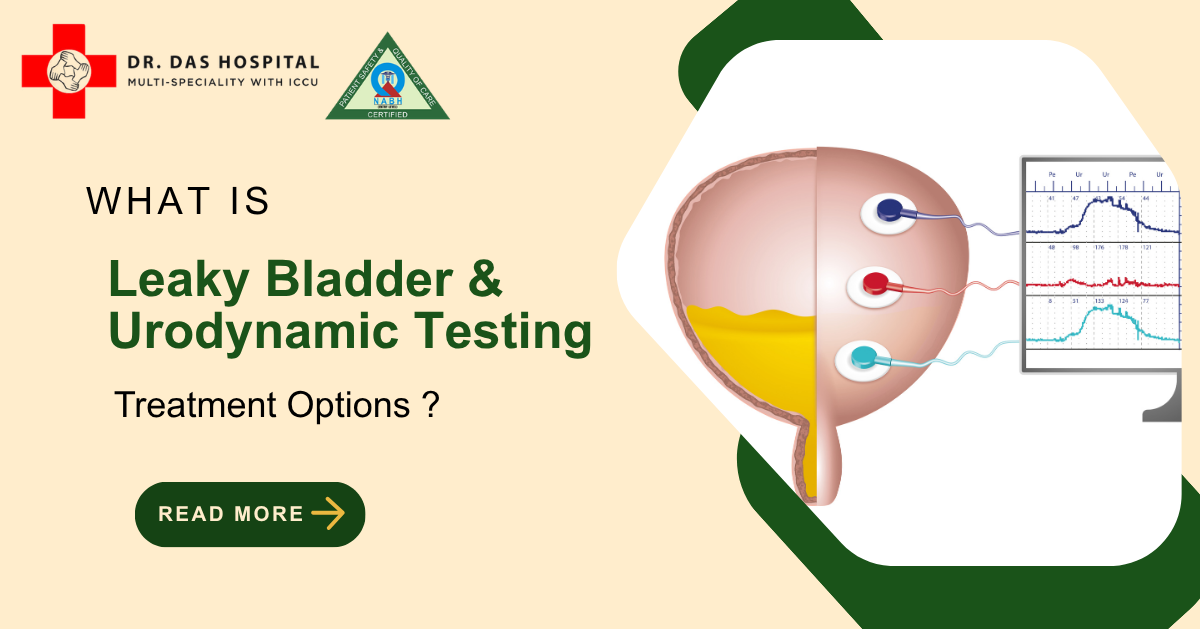
Do you avoid long journeys because you worry about finding a restroom? Do you experience urine leakage while coughing, sneezing, exercising, or suddenly feeling the urge to urinate? You are not alone. Leaky bladder is a common urinary problem, but many people delay treatment due to embarrassment. Understanding the reason behind urine leakage is the first step towards effective management. Urodynamic Testing helps doctors evaluate bladder function and identify the exact cause behind urinary symptoms.
At Dr Das Multispeciality Hospital, advanced evaluation methods help patients understand their bladder problems and receive treatment based on their specific condition.
What Is a Leaky Bladder and Why Does It Happen?
A leaky bladder refers to involuntary urine leakage caused by problems with bladder control. It can happen occasionally or affect daily activities regularly.
Many people assume urine leakage is just a normal part of aging, but that is not always true. Several conditions can affect bladder control, including weak pelvic floor muscles, nerve-related problems, bladder overactivity, or difficulty emptying the bladder.
Common symptoms include:
- Leakage while coughing, sneezing, laughing, or exercising.
- Sudden urge to urinate that is difficult to control.
- Frequent urination during the day or night.
- Difficulty completely emptying the bladder.
- Continuous dribbling of urine.
Identifying the pattern of leakage helps doctors understand what may be happening inside your urinary system.
Different Types of Urinary Incontinence
Urine leakage does not happen for the same reason in everyone. Doctors classify bladder control problems based on symptoms and bladder function.
Stress urinary incontinence occurs when pressure is placed on the bladder during activities such as coughing, sneezing, lifting weights, or physical exercise. The main reason is often weakened pelvic floor muscles that are unable to support the bladder properly.
Some people experience a sudden, uncontrollable urge to urinate followed by leakage before reaching the bathroom. This may happen when bladder muscles contract at the wrong time. It is commonly associated with overactive bladder symptoms.
Overflow incontinence occurs when the bladder does not empty completely. As urine collects inside, small amounts may leak out continuously. This can happen due to:
- Weak bladder muscles.
- Nerve-related conditions.
- Blockage affecting urine flow.
Since each type requires a different treatment approach, finding the exact cause is important.
Why Symptoms Alone May Not Reveal the Real Problem
Many people try to manage bladder leakage by using pads, reducing fluid intake, or avoiding activities that trigger symptoms. While these methods may provide temporary support, they do not identify why leakage is happening.
Your symptoms may tell you that there is a bladder problem, but they may not answer important questions:
- Is your bladder contracting too early?
- Are your pelvic muscles unable to control urine flow?
- Is your bladder storing urine properly?
- Is your bladder emptying completely?
This is where Urodynamic Testing becomes useful.
What Is Urodynamic Testing and How Does It Work?
Urodynamic Testing is a group of diagnostic tests that checks how your bladder, urinary sphincter, and urethra work together during urine storage and emptying.
The test measures:
- Bladder capacity.
- Pressure changes inside the bladder.
- Strength of bladder contractions.
- Urine flow rate.
- Coordination between bladder and sphincter muscles.
Unlike routine urine tests or scans, this evaluation focuses on bladder function rather than only looking at its structure.
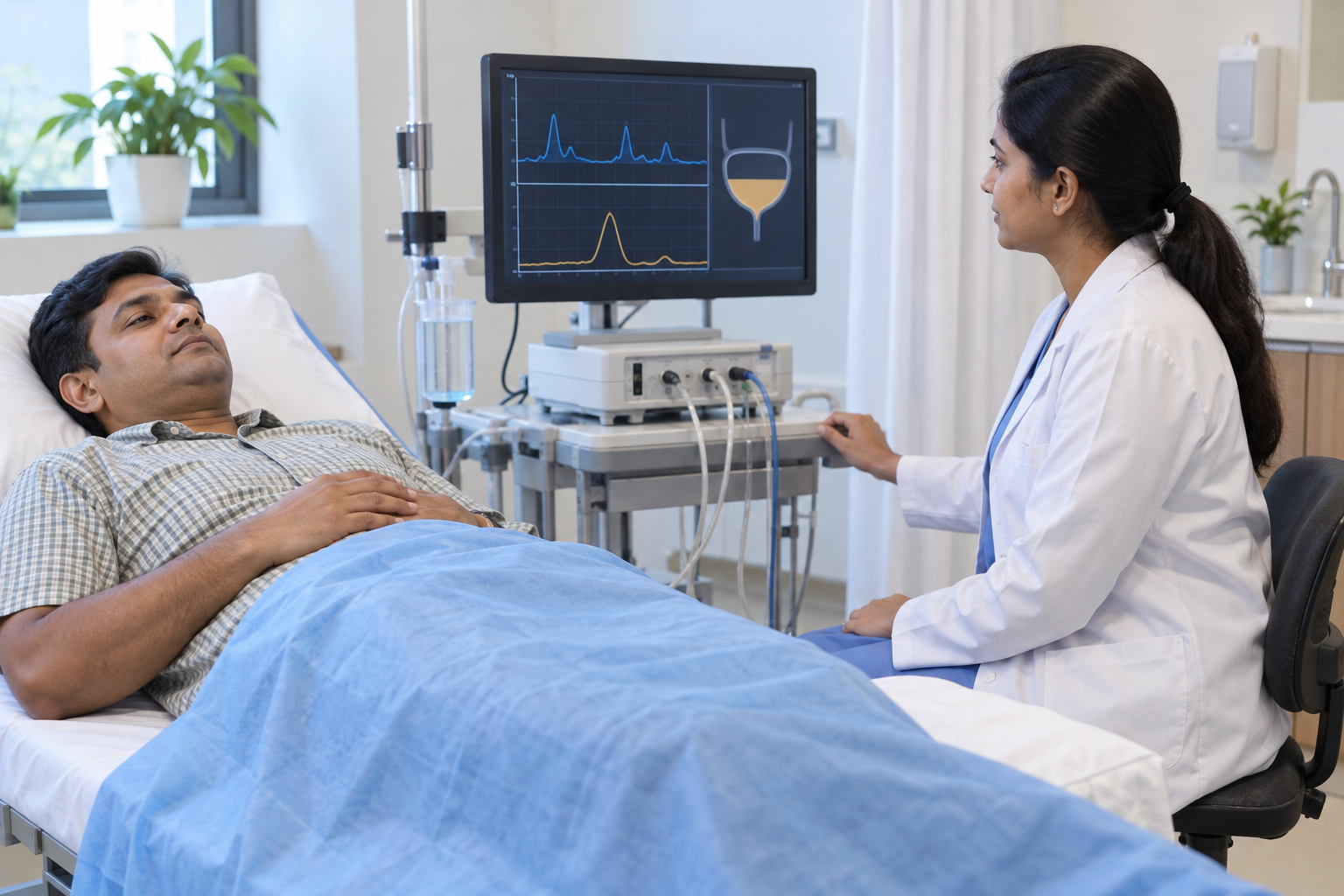
During the procedure, a thin flexible catheter is gently inserted through the urethra into the bladder to measure pressure changes. Another small sensor may be used to record pressure around the bladder.
Many patients feel mild pressure or discomfort during the procedure, but it is usually well tolerated. The doctor explains every step beforehand to make the experience more comfortable.
How Does Urodynamic Testing Find the Cause of Bladder Leakage?
The purpose of the test is not only to confirm that leakage exists but to understand why it is happening.
Evaluating Bladder Storage
The test checks how much urine your bladder can hold and whether your bladder gives early signals that it is full. It can identify:
- Reduced bladder capacity.
- Sudden bladder contractions.
- Urgency symptoms.
Checking Bladder Pressure
Pressure measurements help determine whether urine leakage occurs because of increased abdominal pressure or abnormal bladder activity. For example:
- Leakage during coughing may indicate stress incontinence.
- Leakage caused by sudden bladder contractions may suggest urge incontinence.
Measuring Urine Flow
The test evaluates how easily urine leaves your bladder. It can help detect:
- Weak urine flow.
- Difficulty starting urination.
- Incomplete bladder emptying.
Understanding Muscle Coordination
Normal urination requires bladder muscles and sphincter muscles to work together. If these muscles do not coordinate properly, it may lead to leakage or difficulty passing urine.
When Does a Doctor Recommend Urodynamic Testing?
Your doctor may suggest Urodynamic Testing if:
- Urine leakage continues despite treatment.
- Symptoms do not clearly indicate the cause.
- You have difficulty emptying your bladder.
- You experience repeated urinary infections.
- You are being considered for bladder surgery.
- Previous treatments have not provided relief.
The test is especially helpful when symptoms are complex or multiple bladder problems may exist together.
How Should You Prepare for the Test?
Preparation is usually simple.
Your doctor may advise you to:
- Maintain your usual fluid intake before the test.
- Inform about medicines you are taking.
- Share details about your urinary habits and symptoms.
- Follow specific instructions given before the appointment.
Keeping a bladder diary can also help. Recording when you urinate, leakage episodes, and fluid intake gives your doctor useful information.
Treatment After Identifying the Cause
Once the bladder problem is identified, treatment can be planned according to your condition.
Possible treatment options include:
- Pelvic Floor Muscle Training – Strengthening pelvic muscles can improve bladder control, especially in stress urinary incontinence.
- Bladder Training – This involves gradually improving bladder habits and learning better control over urgency.
- Medicines – Certain medicines may help reduce bladder overactivity or improve urinary symptoms.
- Procedures or Surgery – Some patients may need advanced treatment options when other methods do not provide enough relief.
The right treatment depends on your test results, symptoms, lifestyle, and overall health.
Urodynamic Testing in Mumbai: Getting the Right Evaluation
Choosing the right centre for bladder evaluation is important because accurate diagnosis guides treatment decisions.
Patients looking for Urodynamic Testing in Mumbai can consult experienced urology specialists who can assess symptoms, perform appropriate testing, and recommend suitable treatment options.
At Dr Das Multispeciality Hospital, patients receive evaluation for various urinary conditions with a focus on understanding the root cause rather than only managing symptoms.
Urology Department
Dr Das Multispeciality Hospital
Bladder Health & Urinary Incontinence Care
Frequently Asked Questions About Urodynamic Testing
Conclusion
List of Consultants

Book a Consultation
Schedule your Urology consultation at Dr Das Multispeciality Hospital for expert bladder health guidance.
Book Appointment