The Step-by-Step Laparoscopy Recovery Timeline
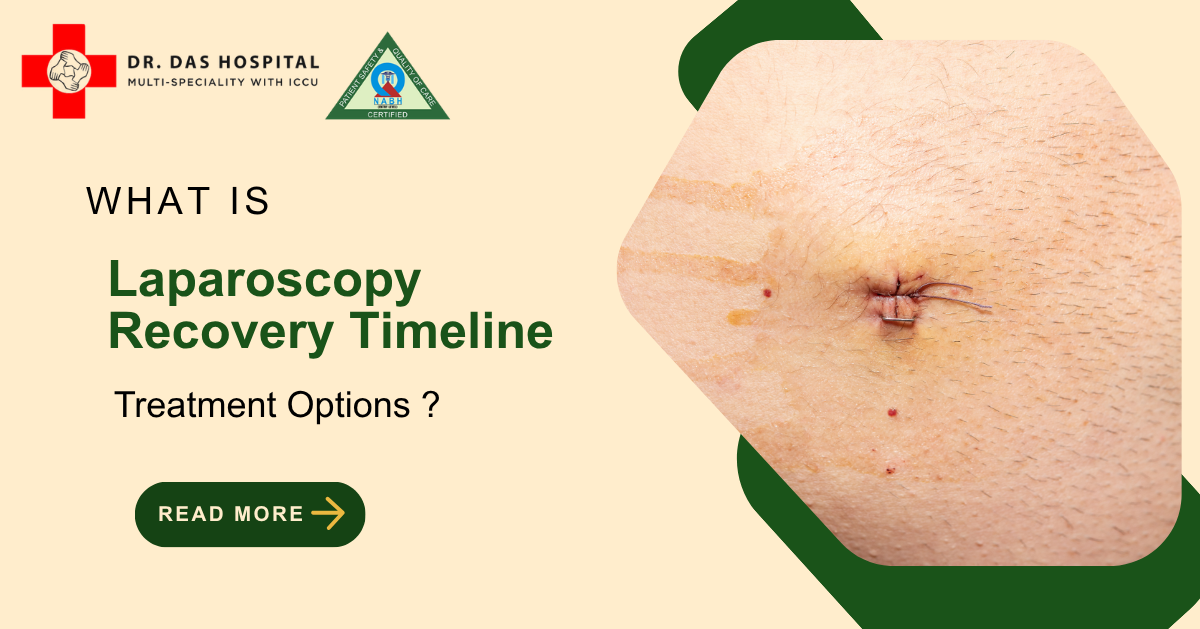
Laparoscopy surgery usually allows a faster recovery than traditional open surgery, but the small incisions do not mean your body has finished healing.
During the first two weeks, you may deal with abdominal soreness, bloating, shoulder pain, constipation, tiredness, and changes around the incision sites. Knowing what is expected can make these changes easier to manage.
This day-by-day laparoscopy recovery guide explains what you may experience from Day 1 to Day 14, what to eat, what to avoid, how to care for your wounds, and when a symptom needs medical attention.
Your exact recovery depends on the procedure. Recovery after a diagnostic laparoscopy may be much shorter than recovery after gallbladder surgery, hernia repair, ovarian surgery, hysterectomy, bowel surgery, or another major laparoscopic procedure. Always follow the instructions given by your surgeon.
Quick-Glance Laparoscopy Recovery Timeline
| Timeline | What You May Notice | Food | Activity |
|---|---|---|---|
| Day 1 | Sleepiness, nausea, abdominal soreness, gas pain | Fluids and light food as tolerated | Short assisted walks |
| Days 2–3 | Bloating, shoulder pain, constipation, bruising | Small balanced meals, fluids and fibre | Frequent short walks |
| Days 4–5 | Less pain but ongoing fatigue | Gradually resume normal diet | Light household activity |
| Days 6–7 | Improved mobility, incision itching | Normal balanced diet if tolerated | Longer walks, light desk work for some |
| Days 8–10 | Less swelling and tenderness | Regular diet | Gradually increase normal activity |
| Days 11–14 | Better stamina and mobility | Normal balanced diet | Light exercise depending on procedure |
Red Flags: When Should You Contact Your Surgeon?
Most symptoms should gradually improve after laparoscopy surgery.
Seek prompt medical advice if you develop:
- Fever or feel hot, cold, or shivery
- Abdominal pain that becomes worse instead of better
- Severe or persistent vomiting
- Inability to keep fluids down
- Increasing redness, swelling, heat, bleeding, pus, or unpleasant-smelling discharge around an incision
- Pain, redness, warmth, or swelling in one leg
- Unusual bleeding or discharge
- Increasing abdominal swelling
Chest pain, coughing up blood, a very fast heartbeat, or significant difficulty breathing requires urgent medical attention.
These symptoms can sometimes indicate infection, bleeding, a blood clot, or another postoperative complication.
Why Does Shoulder Pain Happen After Laparoscopy?
One of the strangest symptoms after laparoscopy surgery is shoulder-tip pain.
During the procedure, carbon dioxide is introduced into the abdomen to create working space for the surgeon. After surgery, irritation around the diaphragm can stimulate the phrenic nerve. Your brain may interpret this as pain around the shoulder.
This is called referred pain.
Gentle walking and changing position can help as the postoperative gas discomfort settles. A warm pack may also feel soothing if your surgical team allows it.
The important distinction is that the surgical carbon dioxide itself does not stay trapped for weeks. It is absorbed by the body. Bloating later in recovery can also come from slowed bowel function, constipation, or intestinal gas.
Day-by-Day Recovery After Laparoscopy Surgery
You may feel sleepy or slightly confused after waking from general anaesthesia. Nausea, abdominal soreness, bloating, and shoulder discomfort are also common.
Start drinking when your medical team allows it.
If fluids stay down, try a small meal such as toast, soup, rice, khichdi, banana, or another easily tolerated food.
You do not need to survive on liquids unless your surgeon has specifically recommended it.
Try to stand and walk for short periods with assistance when advised. Early movement supports circulation and helps your digestive system start working again.
Avoid alcohol and driving. Do not make important decisions while you are still affected by anaesthesia or sedating medication.
These can be uncomfortable days.
Your abdomen may still feel swollen. Bruising can become more visible around the small cuts. Shoulder pain may continue.
Constipation is another common problem, especially if you are taking opioid pain medicines.
Focus on fluids and gradually add fibre through fruit, vegetables, oats, whole grains, prunes, or isabgol if appropriate for you.
Do not automatically take a laxative or stool softener after every laparoscopy. If constipation is troublesome, ask your doctor or pharmacist whether an osmotic laxative, stool softener, or fibre supplement is suitable, particularly if you are taking opioid painkillers.
Take several short walks instead of spending the entire day in bed.
Pain and bloating often start settling, but fatigue may remain.
Your body is still recovering even if the incisions look small.
If nausea has resolved, move toward your normal balanced diet. Include protein sources such as eggs, dal, beans, curd, paneer, fish, or lean meat based on your normal diet and any procedure-specific restrictions.
Coffee is usually reasonable once you are eating and drinking normally, unless your medical team has told you to avoid caffeine.
What about spicy food?
There is no universal rule that spicy food is forbidden after laparoscopy. If biryani, chilli-heavy food, or fried food triggers nausea, acidity, or abdominal discomfort, wait until your digestion feels normal.
By the end of the first week, you may notice itching around your incisions.
Mild itching can occur as the skin heals. Surgical glue may begin loosening at the edges.
Do not peel or pick at surgical glue or Steri-Strips simply because they look loose. Follow the wound instructions given at discharge.
Some people recovering from a simple diagnostic procedure may feel ready for desk-based or remote work around this stage.
After more extensive laparoscopy surgery, one week may still be too early.
Your operation matters more than the size of the incision.
You may now be moving more comfortably around your home and outside.
Incision tenderness and abdominal swelling should generally be moving in the right direction.
You may also notice that bowel movements are becoming more regular as your activity, food intake, and use of pain medicines return toward normal.
Driving is not based on reaching a particular postoperative day.
You should be free from sedating pain medicines and able to sit comfortably, wear a seat belt, turn to check around you, control the vehicle, and perform an emergency stop without significant pain.
Check your surgeon's advice and insurance requirements before driving.
By the second week, many patients recovering from uncomplicated minor laparoscopy can manage more of their usual daily activities.
This does not mean every patient should be back to normal.
If you had major pelvic, abdominal, bowel, hernia, or organ surgery, internal healing may continue for several weeks.
Do not assume that a universal 4–5 kg lifting limit applies to every laparoscopic procedure. Heavy lifting and gym restrictions depend on what was repaired, removed, or operated on.
Before restarting weights, abdominal exercises, running, or strenuous work, follow the restrictions given by your surgeon.
A follow-up visit, when scheduled, may include checking the wounds, reviewing pathology or operative findings, discussing symptoms, and deciding when you can return to unrestricted activity.
What Should You Eat After Laparoscopy?
There is no single “laparoscopy diet.”
If your surgeon has not prescribed a special diet, you can usually progress toward normal food as your appetite and digestion return.
During the first few days, smaller meals may feel better.
Choose foods that provide:
- Protein for tissue repair
- Fibre for bowel regularity
- Fruits and vegetables for micronutrients
- Adequate fluids for hydration
If certain foods make you noticeably bloated, reduce them temporarily.
For some people, carbonated drinks, very large portions of rajma or chole, cabbage, cauliflower, broccoli, fried foods, and rich meals can increase intestinal gas or discomfort.
These foods do not create more surgical carbon dioxide. They can produce intestinal gas during digestion, which may make an already sensitive abdomen feel more uncomfortable.
Avoid alcohol for at least the period recommended after anaesthesia and while taking medicines that interact with alcohol.
Laparoscopy Wound Care: What Is Normal?
Laparoscopy surgery commonly leaves one to four small abdominal incisions.
They may be closed with dissolvable stitches, removable stitches, surgical glue, clips, or Steri-Strips.
Mild bruising, tenderness, and itching can occur during healing.
Many patients can shower after the first 24 to 48 hours, depending on their dressing and surgeon's instructions.
Let water run gently over the area rather than scrubbing it. Pat the wounds dry afterward.
Do not pull dissolvable stitches, glue, or Steri-Strips.
Avoid soaking the wounds in a bathtub or swimming pool until your surgeon says it is safe and the wounds have healed.
Increasing redness, warmth, swelling, pus, unpleasant odour, bleeding, or worsening pain needs medical assessment.
If you are uncertain about an incision after laparoscopy surgery, contact your surgical team rather than applying antiseptics, powders, or creams without advice.
When Should You Speak to a Surgeon?
Recovery advice should match the exact operation you underwent.
A patient who had a short diagnostic procedure may have very different restrictions from someone who underwent laparoscopic gallbladder removal, hernia repair, bowel surgery, or another abdominal operation.
If pain is not improving, your wounds look abnormal, or you are unsure when to resume work or exercise, speak with your treating surgeon.
Patients looking for a Laparoscopic General Surgeon in Mumbai can also seek an evaluation at Dr Das Multispeciality Hospital for personalised advice based on their diagnosis, procedure, and recovery progress.
Frequently Asked Questions About Laparoscopy Recovery
Your Recovery Should Move Forward, Not Follow a Perfect Schedule
Laparoscopy recovery is not a race to Day 14. The useful question is whether your pain, movement, appetite, bowel function, and energy are gradually improving.
During the first two weeks, focus on hydration, balanced meals, gentle walking, incision care, and a gradual return to daily activities. Do not compare your recovery after major surgery with someone who underwent a short diagnostic procedure.
If symptoms become worse rather than better, or you are uncertain about diet, exercise, wound healing, driving, work, or lifting restrictions, speak with your surgeon.
For individual assessment and guidance related to laparoscopy surgery, you can consult a Laparoscopic General Surgeon in Mumbai at Dr Das Multispeciality Hospital. The right recovery plan should always reflect your procedure, health, and healing progress.
Book a Consultation
Schedule your consultation with our expert laparoscopic surgery team at Dr Das Multispeciality Hospital for personalised advice and recovery guidance.
Book Appointment