Knee Replacement Surgery: Types, Cost & Recovery
Living with knee pain can limit your life. Walking, climbing stairs, or even standing for long can feel impossible. For many, Knee Replacement Surgery offers a chance to move without constant pain. This surgery can reduce discomfort, restore mobility, and allow you to enjoy life again. If you are considering treatment options, understanding the process, types, cost, and recovery helps you make the right choice.
When knee pain becomes unmanageable, consulting orthopedics in Mumbai can connect you with experienced surgeons who understand your needs. In many cases, specialists help patients explore surgical and non‑surgical options. This guide breaks down everything you need to know before, during, and after knee replacement.
You will learn about the main types of knee replacement, what costs to expect, how recovery works, and common questions patients ask. This information prepares you for conversations with your healthcare team and helps you take confident steps toward treatment.
What Is Knee Replacement Surgery?
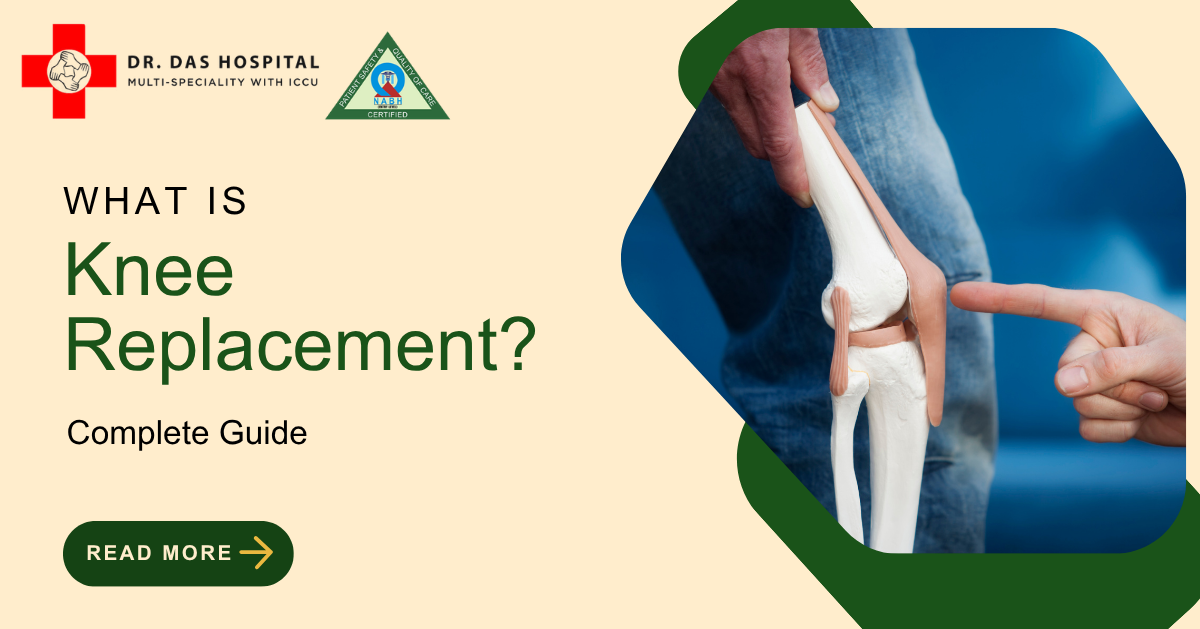
Knee replacement is a surgical procedure that removes damaged sections of the knee joint and replaces them with artificial parts made from metal and durable medical‑grade plastic. At Dr Das Multispeciality Hospital, this surgery helps reduce pain and restore function when cartilage has worn away due to arthritis or injury.
The knee joint acts like a hinge between your thigh and shin bones. When this hinge becomes rough or misshapen, normal movement can cause pain. Knee replacement smooths this hinge and allows you to bend, walk, and rise without pain.
This operation is common in adults whose pain does not improve with medicine, physiotherapy, or injections. Many patients consulting orthopedics in Mumbai experience dramatic improvements in daily activity and quality of life.
Types of Knee Replacement Surgery
Total Knee Replacement is the most common option. The surgeon replaces both sides of the knee joint. This approach works well when arthritis or damage affects the entire knee. It can significantly relieve pain and improve everyday movement.
This surgery is beneficial if your pain is widespread and limits major motion like walking, kneeling, or climbing.
Partial Knee Replacement targets only the part of your knee that is damaged. This option preserves more of your natural knee structure. Patients with limited arthritis may qualify.
Recovery from partial replacement is usually faster and less painful because less bone is altered.
Sometimes an older knee implant fails or loosens over time. Revision surgery replaces worn or damaged implants. This procedure is more complex and may require specialized implants.
Patients who had surgery years earlier and now experience new pain or instability often need this option.
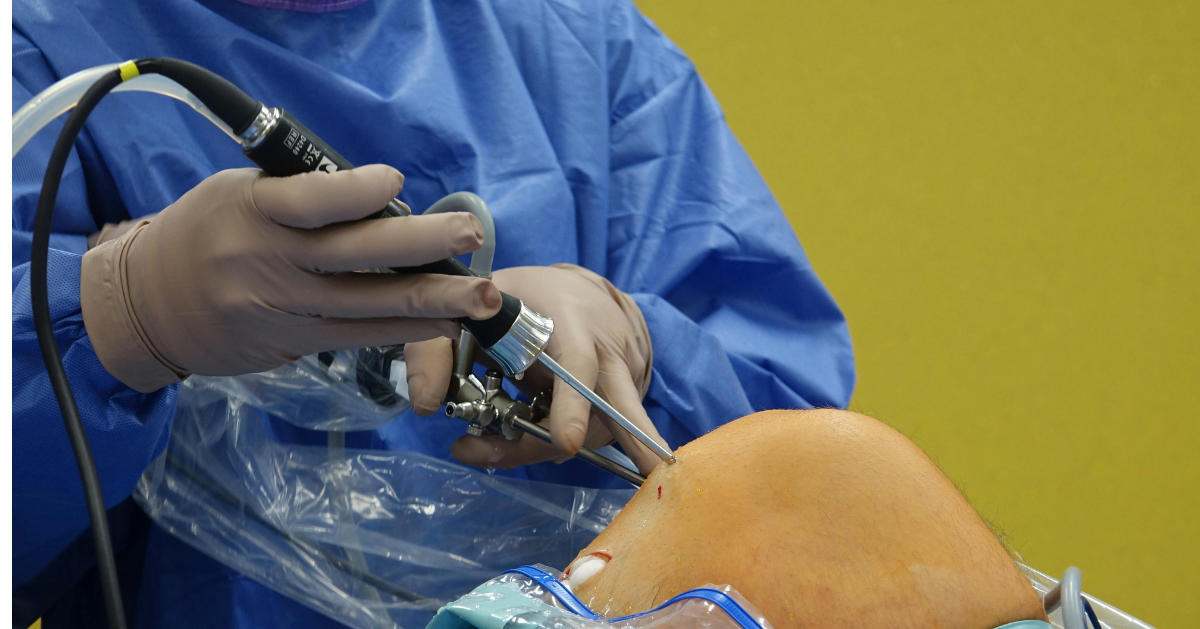
Minimally invasive surgery uses smaller cuts and less tissue disruption. It may allow quicker recovery, reduced pain, and shorter hospital stay. Not every patient qualifies for this method, but it is an option for carefully chosen candidates.
Cost of Knee Replacement Surgery
Cost of Knee Replacement Surgery in India
The cost of knee replacement differs by city, hospital, surgeon experience, implant type, and
additional services like physiotherapy.
These ranges often include hospital stay, surgery charges, implants, and basic post‑op care.
Costs vary widely based on location and hospital reputation.
Insurance plans may cover part of the procedure. Many patients consulting with orthopedics in
Mumbai find insurance helps significantly with costs. Speak with your provider early to
understand what is included and what is not.
Preparing for Surgery
Your doctor will order blood tests, X‑rays, ECG, and physical examinations to ensure you are ready for surgery.
Tell your surgeon about all medications you take. Some may need to be paused, especially blood thinners.
Doctors often recommend simple exercises to improve strength and flexibility before surgery. These exercises can shorten recovery time.
Prepare your home to support movement after surgery. Remove loose rugs, set up sleeping arrangements on the main floor if needed, and keep daily items within reach.
What to Expect After Surgery
Most patients stay 3 to 7 days after surgery. During this time, nurses manage pain, monitor healing, and start you on gentle movement.
Pain levels vary, but medications, ice, and rest help control discomfort. Your care team will adjust treatment to keep you comfortable.
Physiotherapy begins soon after surgery and continues for weeks or months. These exercises help increase strength and range of motion.
Week 1–2: Focus on walking with support and bending the knee.
Week 3–6: Reduce dependence on walking aids.
3 Months: Most patients return to daily activities.
6–12 Months: Full recovery and strength improvement continue.
Your surgeon and therapist will tailor a plan to your progress.
Risks and How to Manage Them
Common Concerns:
Infection: Rare, but signs include redness, fever, or drainage.
Blood Clots: Early movement and possibly blood thinners reduce this risk.
Stiffness: Physiotherapy prevents long‑term stiffness.
Loosening: Implants can wear over long periods, and revision surgery may be needed later.
Discuss risks with your surgeon at Dr Das Multispeciality Hospital or another trusted orthopedist before surgery. They can answer questions and explain steps to reduce complications.
Risks and How to Manage Them
Common Concerns:
Infection: Rare, but signs include redness, fever, or drainage.
Blood Clots: Early movement and possibly blood thinners reduce this risk.
Stiffness: Physiotherapy prevents long‑term stiffness.
Loosening: Implants can wear over long periods, and revision surgery may be needed later.
Discuss risks with your surgeon at Dr Das Multispeciality Hospital or another trusted orthopedist before surgery. They can answer questions and explain steps to reduce complications.
Dr. Debashish M. Das
M.S., M.Ch., F.M.A.S.
GI Endoscopist & Laparoscopic General Surgeon
Frequently Asked Questions (FAQs)
Book a Consultation
Schedule your consultation with Dr. Debashish M. Das for expert knee replacement surgery.
Book Appointment