Heart Attack Symptoms: Warning Signs in Men and Women You Should Never Ignore
Introduction
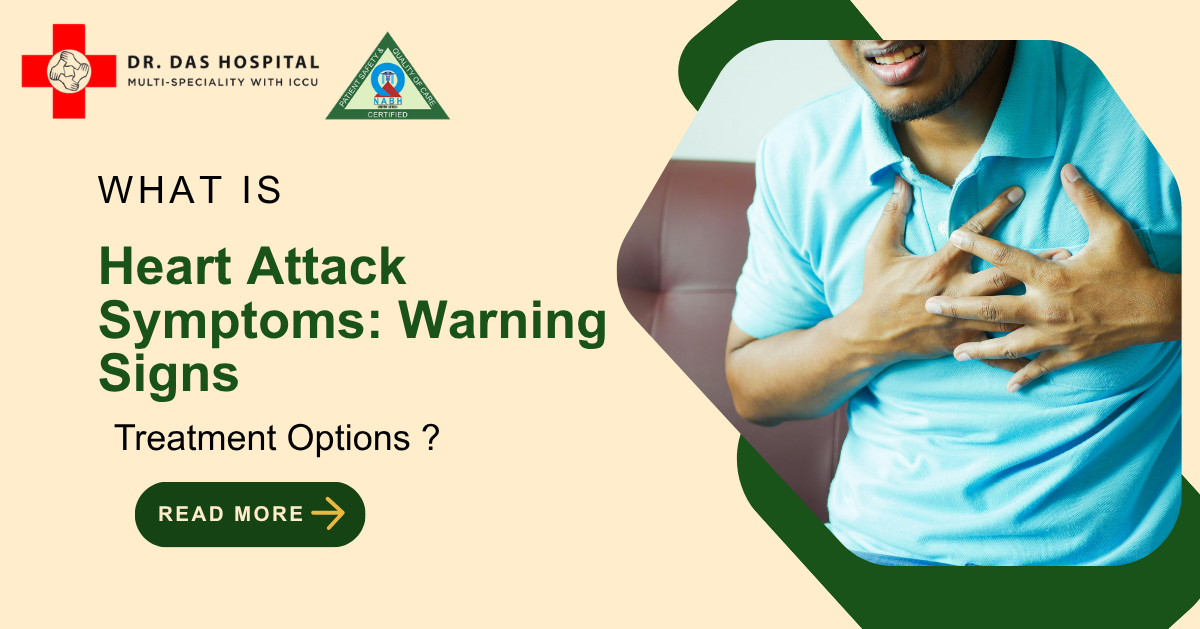
A heart attack is one of the most serious medical emergencies that can happen suddenly and without warning. Every minute after a heart attack matters because reduced blood supply to the heart can cause permanent damage to the heart muscle.
Recognizing the early signs of a heart attack can help you seek immediate medical attention and improve the chances of survival. While many people associate heart attacks with severe chest pain, the symptoms can be different in men and women. Some individuals may experience mild or unusual symptoms that are easy to ignore.
Understanding these warning signs and knowing when to seek emergency care is an important part of maintaining good heart health. With proper awareness, timely diagnosis, and preventive care from experienced specialists in Cardiology , serious complications can often be reduced.
What Is a Heart Attack?
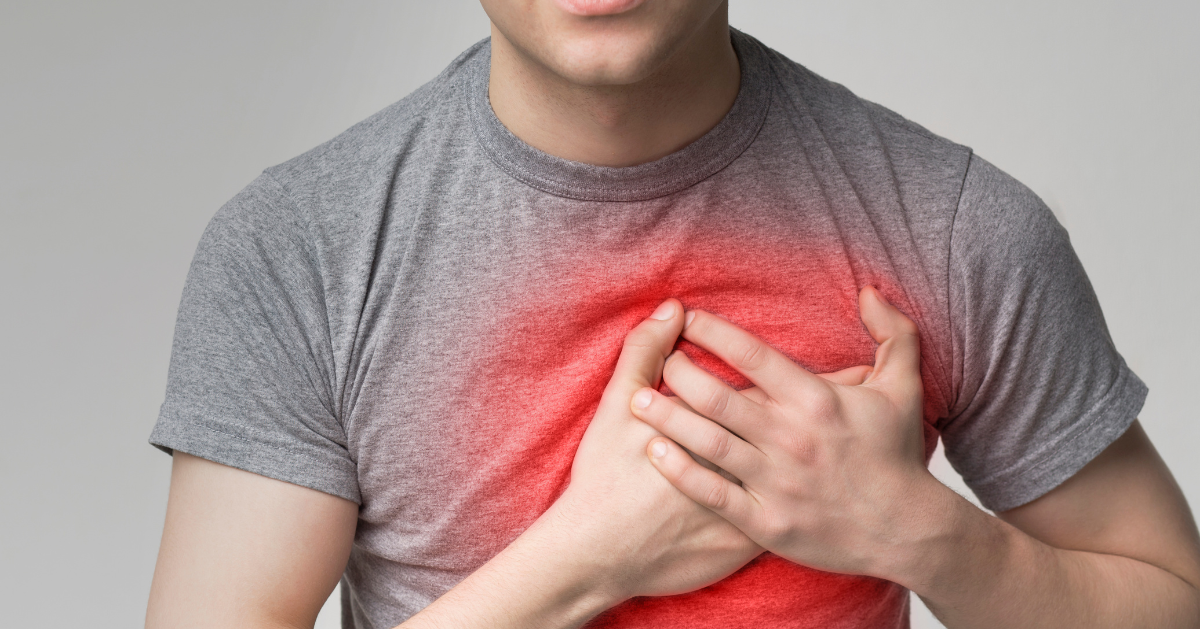
A heart attack, medically known as myocardial infarction, occurs when blood flow to a part of the heart muscle becomes blocked. This blockage is usually caused by the buildup of fatty deposits (plaque) inside the coronary arteries.
When the heart does not receive enough oxygen-rich blood, the affected heart muscle starts getting damaged. If treatment is delayed, the damage can become permanent and may affect the heart’s ability to function properly.
A heart attack can happen to anyone, but certain factors such as high blood pressure, diabetes, smoking, high cholesterol, obesity, and family history can increase the risk.
Regular heart checkups and early evaluation by a qualified Cardiologist in Mumbai can help identify risk factors before they become serious health concerns.
Common Heart Attack Symptoms in Men
Many men experience the traditional symptoms commonly associated with a heart attack. However, the intensity of symptoms can vary from person to person.
The most common warning sign is discomfort in the center of the chest. It may feel like:
- Heavy pressure or squeezing sensation
- Tightness or fullness in the chest
- A feeling of something heavy sitting on the chest
Heart-related pain may spread beyond the chest area, including:
- Left arm or both arms
- Shoulder
- Neck
- Jaw
- Back
Breathing difficulty may occur with or without chest discomfort. Some people experience sudden breathlessness even while resting.
Breaking out into a sudden cold sweat, feeling extremely weak, or experiencing dizziness can be signs that the heart is under stress. If these symptoms appear suddenly, immediate medical evaluation is essential.
Heart Attack Symptoms in Women Can Be Different
Heart attack symptoms in women are often less obvious compared to the classic symptoms seen in men. Because these signs may appear mild, many women delay seeking medical care.
Extreme tiredness without an obvious reason can sometimes be an early warning sign. A person may feel exhausted after routine activities that were previously easy to perform.
Some women experience nausea, vomiting, stomach discomfort, or symptoms that may feel similar to indigestion.
Women may experience discomfort in areas such as:
- Upper back
- Jaw
- Neck
- Shoulders
Sudden dizziness, fainting sensation, or unusual weakness should be evaluated, especially when combined with other symptoms.
Awareness about these differences helps women seek timely care and prevents dangerous delays.
Early Warning Signs Before a Heart Attack
Sometimes the body provides warning signals days or weeks before a major cardiac event. Paying attention to these changes can help with early diagnosis and prevention.
- Unexplained Exhaustion – Feeling unusually tired despite adequate rest may indicate an underlying heart-related concern.
- Sleep Problems – Difficulty sleeping, waking up frequently, or experiencing breathlessness at night can sometimes be linked to cardiovascular issues.
- Reduced Exercise Tolerance – If normal activities such as walking, climbing stairs, or daily household work suddenly become difficult, it should not be ignored.
- Frequent Indigestion-Like Symptoms – Repeated discomfort that feels like acidity or indigestion, especially when it does not improve with usual remedies, may require medical assessment.
A detailed heart evaluation from a specialist in Cardiology can help determine whether these symptoms are related to the heart.
What Should You Do During a Heart Attack Emergency?
A heart attack requires immediate action. Delaying treatment increases the risk of severe heart muscle damage. Follow these steps:
Do not wait for symptoms to disappear. Contact emergency services as soon as possible.
Driving during a heart attack can be dangerous because symptoms may worsen suddenly. An ambulance team can begin emergency care while transporting you.
Rest in a comfortable position and avoid unnecessary movement while waiting for medical help.
If advised by healthcare professionals and if there are no contraindications, aspirin may sometimes be recommended during a suspected heart attack. Always follow emergency medical guidance.
How Can You Reduce Your Risk of Heart Attack?
Heart health depends greatly on daily lifestyle choices. Small changes can significantly reduce cardiovascular risks.
Include:
- Fresh fruits and vegetables
- Whole grains
- Lean proteins
- Healthy fats
- Processed foods
- Excess sugar
- High-salt foods
Regular physical activity helps maintain healthy blood pressure, weight, and cholesterol levels. Even moderate activities such as brisk walking can benefit heart health.
High blood pressure and uncontrolled diabetes can damage blood vessels over time and increase heart attack risk. Regular health monitoring and consultations with a trusted Cardiologist in Mumbai can help manage these conditions effectively.
Smoking damages blood vessels and significantly increases the risk of heart disease.
Long-term stress can affect heart health. Practicing relaxation techniques, meditation, and maintaining healthy sleep habits can support overall wellbeing.
Conclusion
Recognizing heart attack symptoms early can save lives. While chest pressure remains a common warning sign, symptoms can vary significantly between men and women. Unusual fatigue, breathlessness, nausea, dizziness, and unexplained discomfort should never be ignored.
If you notice warning signs or have concerns about your heart health, consult an experienced Cardiologist in Mumbai for timely evaluation and guidance. Comprehensive cardiac care at Dr Das Multispeciality Hospital helps patients receive appropriate diagnosis, treatment, and preventive support.
To learn more about our heart care services and specialist consultations, visit Cardiology at Dr Das Multispeciality Hospital.
Frequently Asked Questions About Heart Attack Symptoms
List of Consultants

Book a Consultation
Schedule your heart health consultation with our expert Cardiology team at Dr Das Multispeciality Hospital for personalized diagnosis and preventive care.
Book Appointment