Understanding Endometriosis: Symptoms, Diagnosis & Surgical Treatment Options
Introduction
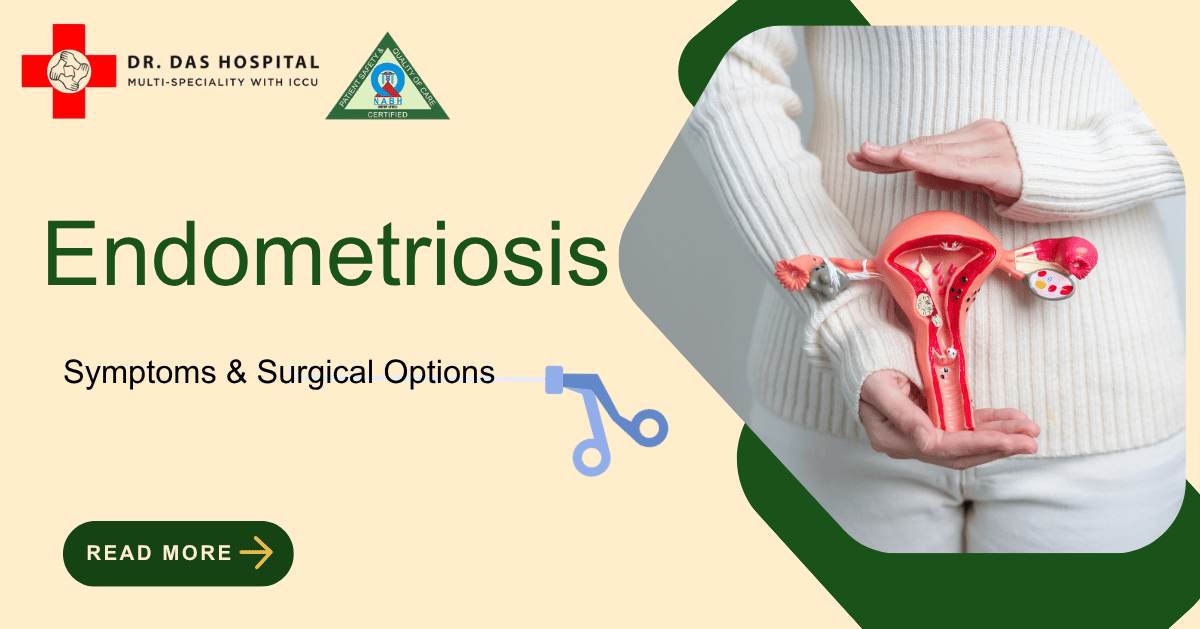
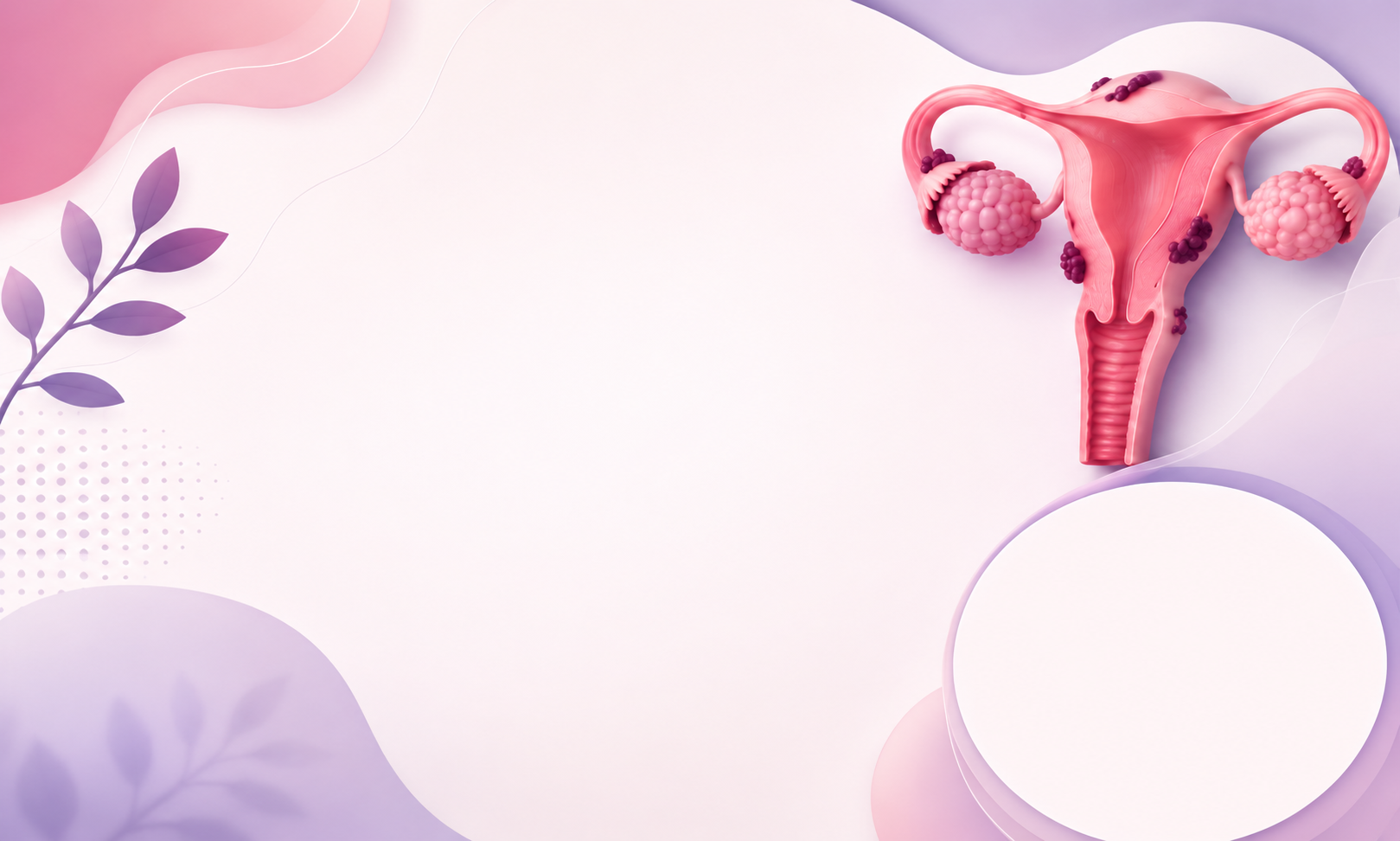
Endometriosis is a common yet often misunderstood gynecological condition that affects many women during their reproductive years. It occurs when tissue similar to the inner lining of the uterus (endometrium) grows outside the uterus, commonly affecting the ovaries, fallopian tubes, pelvic lining, and surrounding organs.
For many women, endometriosis can cause more than just painful periods. Symptoms such as chronic pelvic pain, discomfort during intercourse, heavy menstrual bleeding, digestive issues, and difficulty conceiving can significantly impact daily life and emotional well-being. However, because these symptoms may overlap with other conditions, diagnosis is sometimes delayed.
With advancements in Gynecology ,women today have access to improved diagnostic techniques and advanced treatment options, including minimally invasive surgical procedures. At Dr Das Multispeciality Hospital, patients receive comprehensive evaluation and personalized care plans based on their symptoms, health condition, and fertility goals.
What Is Endometriosis?
Endometriosis is a condition where endometrial-like tissue develops outside the uterus. Normally, the endometrial lining thickens during the menstrual cycle and sheds during periods. However, when similar tissue grows in abnormal locations, it can continue to respond to hormonal changes, causing inflammation, irritation, and scar tissue formation.
Over time, this can lead to the development of adhesions (bands of scar tissue), ovarian cysts known as endometriomas, and changes in the pelvic anatomy. The severity of symptoms does not always match the extent of the condition, meaning some women with mild endometriosis may experience significant pain, while others with advanced disease may have fewer symptoms.
Common Symptoms of Endometriosis
The symptoms of endometriosis can vary from person to person. Some women may experience mild discomfort, while others may have symptoms that interfere with work, relationships, and everyday activities.
1. Severe Menstrual Pain
One of the most common signs of endometriosis is intense pelvic pain during menstruation. While mild cramps can be normal, severe period pain that affects daily activities or does not improve with usual pain relief methods may require medical evaluation.
2. Chronic Pelvic Pain
Some women experience ongoing pelvic discomfort even outside their menstrual cycle. This pain may feel like pressure, aching, or sharp discomfort in the lower abdomen and pelvic region.
3. Pain During Intercourse
Deep pain during or after sexual intercourse can occur when endometriosis affects tissues near the uterus, ovaries, or pelvic structures.
4. Heavy or Irregular Menstrual Bleeding
Endometriosis may be associated with heavy periods, prolonged bleeding, or spotting between menstrual cycles.
5. Digestive and Urinary Symptoms
When endometriosis affects areas near the bowel or bladder, some women may experience bloating, constipation, painful bowel movements, frequent urination, or discomfort while passing urine, especially during periods.
6. Fertility Difficulties
Endometriosis is one of the conditions associated with female infertility. Inflammation, scar tissue formation, and changes around the reproductive organs can affect egg release, fertilization, or implantation.
How Does Endometriosis Affect Fertility?
Endometriosis can impact fertility in several ways. The inflammatory environment created by abnormal tissue growth may affect the function of the ovaries, fallopian tubes, and surrounding reproductive organs.
Scar tissue and adhesions can sometimes block the movement of eggs or interfere with the normal relationship between the ovaries and fallopian tubes. In some cases, women with endometriosis may require specialized fertility treatments depending on their condition and reproductive goals.
A specialist experienced in Gynecology can evaluate the condition and recommend suitable management based on individual fertility goals.
How Is Endometriosis Diagnosed?
Diagnosing endometriosis usually involves a combination of medical history, symptom evaluation, physical examination, and imaging tests.
Medical History and Clinical Evaluation
A gynecologist may discuss menstrual patterns, pain symptoms, fertility concerns, and previous medical history to understand the possibility of endometriosis.
Imaging Tests
Ultrasound and MRI scans can help identify ovarian endometriomas, cysts, or signs that suggest deeper endometriosis involvement.
Laparoscopy
Laparoscopy is considered one of the most accurate methods for diagnosing endometriosis. During this minimally invasive procedure, a small camera is inserted through tiny abdominal incisions to examine the pelvic organs and identify abnormal tissue growth.
Women searching for a Gynecologist in Mumbai should consider consulting an experienced specialist who can provide accurate diagnosis and personalized treatment guidance.
Surgical Treatment Options for Endometriosis
Surgery may be recommended when symptoms are severe, medications are not providing sufficient relief, endometriosis affects fertility, or there is significant disease involvement.
The choice of surgery depends on factors such as the location and severity of endometriosis, age, fertility plans, and overall health.
1. Laparoscopic Excision Surgery
Laparoscopic excision is considered one of the advanced surgical approaches for treating endometriosis. During this procedure, the surgeon carefully removes endometriosis lesions while preserving healthy surrounding tissues.
Excision surgery aims to address the source of abnormal tissue growth and may help reduce pain, improve pelvic function, and support fertility outcomes in selected patients.
2. Laparoscopic Ablation
Ablation involves destroying the surface areas of endometriosis using specialized techniques. While it may provide symptom relief in some cases, the suitability of this approach depends on the depth and location of endometriosis.
A detailed evaluation by an experienced gynecological surgeon helps determine the most appropriate treatment method.
3. Hysterectomy for Endometriosis
A hysterectomy involves surgical removal of the uterus and may be considered in specific situations, particularly when symptoms are severe and other treatments have not provided adequate relief.
This option is generally discussed carefully with patients, especially those who wish to preserve fertility, as it is a major surgical decision.
Recovery After Endometriosis Surgery
Recovery after endometriosis surgery depends on the type of procedure performed and the extent of disease treated. Minimally invasive laparoscopic procedures generally involve smaller incisions, reduced discomfort, and faster recovery compared with traditional open surgery.
Patients are usually advised to follow post-operative instructions, attend follow-up appointments, and gradually return to normal activities under medical guidance.
When Should You Consult a Doctor?
You should consider consulting a gynecologist if you experience:
- Severe menstrual pain that affects your routine
- Persistent pelvic pain
- Pain during intercourse
- Difficulty conceiving
- Heavy or irregular periods
- Symptoms that continue despite usual treatments
Early evaluation can help identify endometriosis sooner and allow timely management. At Dr Das Multispeciality Hospital, patients receive coordinated care involving diagnosis, treatment planning, surgery support, and post-treatment follow-up through experienced healthcare professionals.
Dr Das Multispeciality Hospital
Gynecology & Women's Health Care
Diagnosis, Treatment Planning & Surgical Care
Frequently Asked Questions About Endometriosis
Conclusion
Endometriosis can significantly affect a woman's physical comfort, fertility, and quality of life, but timely diagnosis and appropriate treatment can make a meaningful difference. From medical management to advanced surgical options, personalized care helps address symptoms while considering each patient's health goals.
If you are experiencing symptoms suggestive of endometriosis, consulting an experienced gynecologist at Dr Das Multispeciality Hospital can help you understand your condition and explore the most suitable treatment options.
List of Consultants

Book a Consultation
Schedule your consultation with our Gynecology specialists at Dr Das Multispeciality Hospital to discuss endometriosis diagnosis and treatment options.
Book Appointment