Dengue & Malaria Alert: 7 Critical Prevention Steps for the Rainy Season
Introduction
The rainy season brings a rise in mosquito activity, increasing the risk of infections like dengue and malaria. Stagnant water, humidity, and changing weather conditions create ideal conditions for mosquito breeding.
Many people ignore early symptoms of fever, body pain, or weakness, assuming they are common seasonal problems. Early identification and proper medical guidance can help prevent complications.
This guide explains seven important prevention steps, common symptoms, when to seek medical care, and how guidance from a General Medicine specialist can help during the monsoon season.
For residents looking for expert evaluation and treatment, consulting a General Medicine specialist in Mumbai can help with accurate diagnosis and timely management of dengue, malaria, and other seasonal infections.

Why Do Dengue and Malaria Cases Increase During the Rainy Season?
Dengue and malaria are mosquito-borne diseases that become more common during the monsoon because mosquitoes get more opportunities to breed.
Rainwater often collects in small areas around homes, offices, and public spaces. Places like flower pots, open containers, discarded tyres, and blocked drains can hold water for several days.
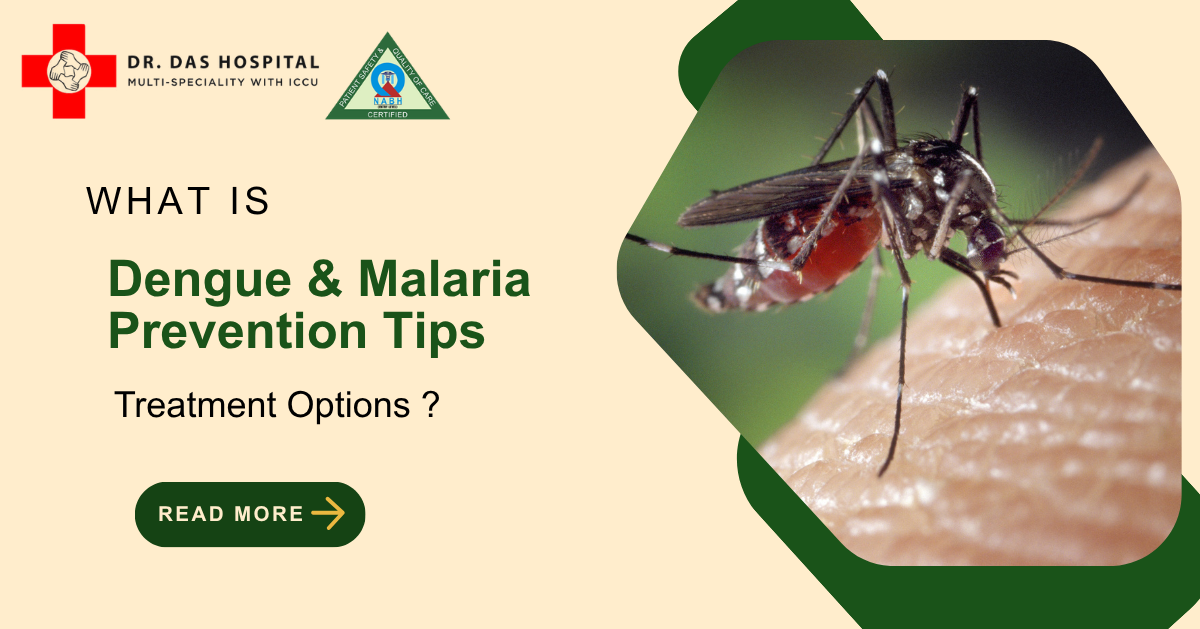
The Aedes mosquito spreads dengue and usually bites during the daytime. Malaria spreads through Anopheles mosquitoes, which are more active during evening and night hours.
A fever during monsoon should not always be considered a simple viral infection. Proper medical evaluation helps identify whether the symptoms are related to dengue, malaria, or another condition.
Doctors working in General Medicine regularly diagnose and manage such infections by assessing symptoms, medical history, and required blood tests.
What Are the Common Symptoms of Dengue and Malaria?
Recognising symptoms early helps you take the right steps.
Symptoms of Dengue
Dengue symptoms may include:
- Sudden high fever
- Severe headache
- Pain behind the eyes
- Muscle and joint pain
- Skin rash
- Nausea or vomiting
- Extreme tiredness
Some patients may recover with proper rest and monitoring, while others may need closer medical observation.
Symptoms of Malaria
Common malaria symptoms include:
- Fever with chills
- Sweating episodes
- Headache
- Body weakness
- Fatigue
- Muscle pain
Since dengue and malaria symptoms can overlap, testing is often needed to confirm the cause of fever.
A General Medicine specialist in Mumbai can evaluate symptoms and recommend suitable investigations based on the patient's condition.
7 Critical Prevention Steps to Protect Yourself From Dengue and Malaria
1. Eliminate Stagnant Water Around Your Home
The most effective way to control mosquito breeding is by removing standing water.
Check these areas regularly:
- Plant pots and water trays
- Water storage containers
- Rooftop corners
- Open buckets
- Old tyres
- Drainage areas
Mosquitoes can breed even in small amounts of collected water. Cleaning these areas every week can reduce mosquito growth around your surroundings.
2. Prevent Mosquito Bites
Reducing mosquito bites lowers your chances of infection.
Follow simple protective measures:
- Use mosquito nets while sleeping
- Install window screens
- Apply suitable mosquito repellents
- Wear full-sleeved clothes
- Avoid mosquito-prone areas during peak biting times
Children, elderly individuals, and people with existing health conditions should take extra precautions during the rainy season.
3. Maintain Clean Surroundings
A clean environment plays an important role in preventing mosquito-related diseases.
Keep your surroundings clean by:
- Disposing of waste properly
- Keeping drains clear
- Covering water containers
- Avoiding water accumulation near your home
Community participation is also important because mosquito breeding areas can develop outside individual homes.
4. Do Not Ignore Persistent Fever
Many people wait several days before consulting a doctor when they develop fever.
You should seek medical advice if you experience:
- Fever lasting more than two days
- Severe weakness
- Continuous vomiting
- Bleeding symptoms
- Extreme fatigue
- Reduced urine output
A General Medicine doctor can identify warning signs and suggest tests such as dengue NS1 antigen, dengue antibody tests, or malaria testing.
At Dr Das Multispeciality Hospital, patients can receive medical consultation for fever-related concerns and other common infections under experienced healthcare professionals.
5. Follow Healthy Food and Water Habits
During monsoon, contaminated food and water can increase the risk of infections.
Maintain safe habits:
- Drink purified or boiled water
- Wash fruits and vegetables properly
- Avoid uncovered food
- Keep kitchen areas clean
Good nutrition and hydration support your body during recovery from infections.
6. Support Your Immunity With Healthy Lifestyle Choices
A balanced lifestyle helps your body respond better to illnesses.
Focus on:
- Eating protein-rich and nutritious meals
- Staying hydrated
- Getting adequate sleep
- Maintaining regular physical activity
Avoid taking medicines without medical advice, especially when dengue is suspected. Certain medications may not be suitable in some situations.
A General Medicine specialist can guide you about safe treatment options based on your symptoms and health condition.
7. Get Timely Medical Attention
Early diagnosis helps prevent health problems from becoming more serious.
Consult a doctor if:
- Fever is high or persistent
- Symptoms are getting worse
- You feel unusually weak
- You experience breathing difficulty
- You notice signs of dehydration
Doctors in General Medicine focus on diagnosing and treating a wide range of adult health conditions, including infections, fever, and seasonal diseases.
Why Consult a General Medicine Specialist During Dengue and Malaria Season?
A General Medicine specialist provides complete evaluation for symptoms that may have multiple possible causes.
For fever during monsoon, a doctor may assess:
- Duration and pattern of fever
- Travel history
- Mosquito exposure
- Previous health conditions
- Blood test results
Instead of treating symptoms without knowing the cause, medical consultation helps provide appropriate care.
Patients searching for a General Medicine specialist in Mumbai can consider experienced healthcare centres like Dr Das Multispeciality Hospital for consultation and management of seasonal infections.
Dr Das Multispeciality Hospital
General Medicine & Fever Care
Expert Evaluation for Dengue, Malaria & Seasonal Infections
Frequently Asked Questions About Dengue and Malaria
Conclusion
Dengue and malaria prevention requires simple but consistent steps such as removing stagnant water, avoiding mosquito bites, maintaining hygiene, and seeking medical advice at the right time. During the rainy season, fever should not be ignored because early evaluation can help identify infections and begin suitable care.
Consulting a General Medicine specialist in Mumbai can provide proper diagnosis and treatment guidance for dengue, malaria, and other seasonal health concerns. With awareness and timely medical support, you can protect yourself and your family throughout the monsoon season.
Book a Consultation
Schedule your consultation with our General Medicine specialists at Dr Das Multispeciality Hospital for expert fever evaluation and dengue & malaria care.
Book Appointment