Coronary Artery Disease (CAD): Causes, Symptoms & Treatment Options
Introduction
Every year, millions of people are diagnosed with Coronary Artery Disease (CAD), making it one of the most common heart conditions worldwide. Many people assume heart disease appears suddenly. The truth is that it often develops quietly over several years before the first warning sign appears.
A little chest discomfort. Getting breathless while climbing stairs. Feeling unusually tired after a short walk. These symptoms are easy to ignore, but they may point to a problem with your heart.
The good news is that Coronary Artery Disease is treatable, especially when detected early. With timely diagnosis, healthy lifestyle changes, medications, and advanced cardiac procedures, many people continue to live active and healthy lives.
In this guide, you’ll learn what Coronary Artery Disease is, why it happens, the warning signs you should never ignore, and the treatment options available to protect your heart, with expert guidance from Cardiology specialists.

What is Coronary Artery Disease?
Coronary Artery Disease, often called CAD, occurs when the coronary arteries that supply blood to your heart become narrow due to the build-up of fatty deposits called plaque.
Think of these arteries as highways carrying oxygen-rich blood. As plaque builds up, the pathway becomes smaller, making it harder for blood to reach the heart muscle.
Over time, this reduced blood flow can lead to:
- Chest pain (angina)
- Shortness of breath
- Fatigue
- Heart attack if an artery becomes completely blocked
One important fact many people don’t know is that plaque can develop for years without causing noticeable symptoms. That’s why regular heart check-ups play an important role in preventive Cardiology .
Why Does Coronary Artery Disease Develop?
Not every risk factor is within your control. Knowing the difference helps you focus on what you can improve.
Risk Factors You Cannot Change
The risk of CAD rises as you get older because arteries naturally lose some of their flexibility over time.
If your parents or siblings developed heart disease at an early age, your chances may also be higher.
Men usually develop CAD earlier than women. After menopause, a woman’s risk increases significantly.
Risk Factors You Can Control
Excess LDL cholesterol sticks to artery walls and gradually forms plaque.
Constant pressure damages blood vessels, making plaque build-up easier.
High blood sugar damages arteries and speeds up atherosclerosis.
Smoking damages blood vessels, reduces oxygen levels, and increases blood clot formation.
Frequent consumption of fried foods, processed snacks, sugary drinks, and foods rich in saturated fats increases heart disease risk. Instead, focus on meals rich in:
- Fresh vegetables
- Fruits
- Whole grains
- Nuts
- Olive oil
- Fish rich in Omega-3 fatty acids
You don’t have to spend hours in a gym. Even a brisk 30-minute walk five days a week improves circulation, helps control weight, lowers blood pressure, and supports better heart function.
Red Flags: Recognizing the Symptoms of Coronary Artery Disease
Symptoms differ from person to person. Some people notice clear warning signs. Others experience only mild discomfort until a heart attack occurs. Watch for symptoms like:
- Chest pain, pressure, or tightness
- Pain spreading to the shoulder, arm, neck, jaw, or back
- Shortness of breath
- Fatigue during everyday activities
- Dizziness
- Cold sweating
- Nausea
- Irregular heartbeat
People living with diabetes may not experience classic chest pain. This is called silent ischemia and makes regular cardiac evaluation even more important.
Quick Self-Check
Ask yourself these questions:
- Do you become unusually breathless while climbing one flight of stairs?
- Does your chest feel tight after a short walk?
- Do you avoid physical activity because it leaves you exhausted?
If your answer is yes to any of these, don’t ignore it. A consultation with a Cardiologist in Mumbai can help identify the cause before it becomes a medical emergency.
How Do Doctors Diagnose Coronary Artery Disease?
Diagnosing CAD involves more than one test. Your doctor combines your symptoms, medical history, examination findings, and imaging studies to understand how well your heart is functioning.
Think of an ECG as your heart’s electrical report card. It records the electrical signals produced by your heart and helps detect abnormal rhythms, reduced blood flow, or signs of an old heart attack.
This is similar to an ultrasound used during pregnancy. Instead of looking at a baby, it lets doctors watch your heart beating in real time, showing how well the chambers and valves are working.
Some heart problems only appear when your heart works harder. During a stress test, doctors monitor your heart while you walk on a treadmill or receive medication that safely increases your heart rate.
A CT scan creates detailed pictures of your coronary arteries and helps detect narrowing before symptoms become severe.
This remains one of the most accurate ways to locate blocked arteries. A thin catheter is inserted through the wrist or groin, contrast dye is injected, and real-time images reveal exactly where the blockage is. The results also help doctors decide whether medication, angioplasty, or bypass surgery is the best treatment option.
Treatment Options for Coronary Artery Disease
Treatment depends on how severe the blockage is, your symptoms, and your overall health.
Lifestyle changes remain the foundation of heart disease management. Focus on practical habits like:
- Walk for at least 30 minutes on most days.
- Choose grilled or steamed food instead of fried meals.
- Replace butter with olive or mustard oil where appropriate.
- Eat more leafy vegetables, beans, fruits, and whole grains.
- Include fatty fish like salmon or Indian mackerel once or twice a week if suitable for your diet.
- Quit smoking completely.
- Maintain healthy blood sugar and blood pressure levels.
- Aim for 7 to 8 hours of quality sleep every night.
Medicines help control symptoms and lower the risk of complications. Your doctor may prescribe:
- Cholesterol-lowering medicines
- Blood pressure medications
- Blood-thinning medicines to reduce clot formation
- Medicines that reduce chest pain
- Medicines that reduce the heart’s workload
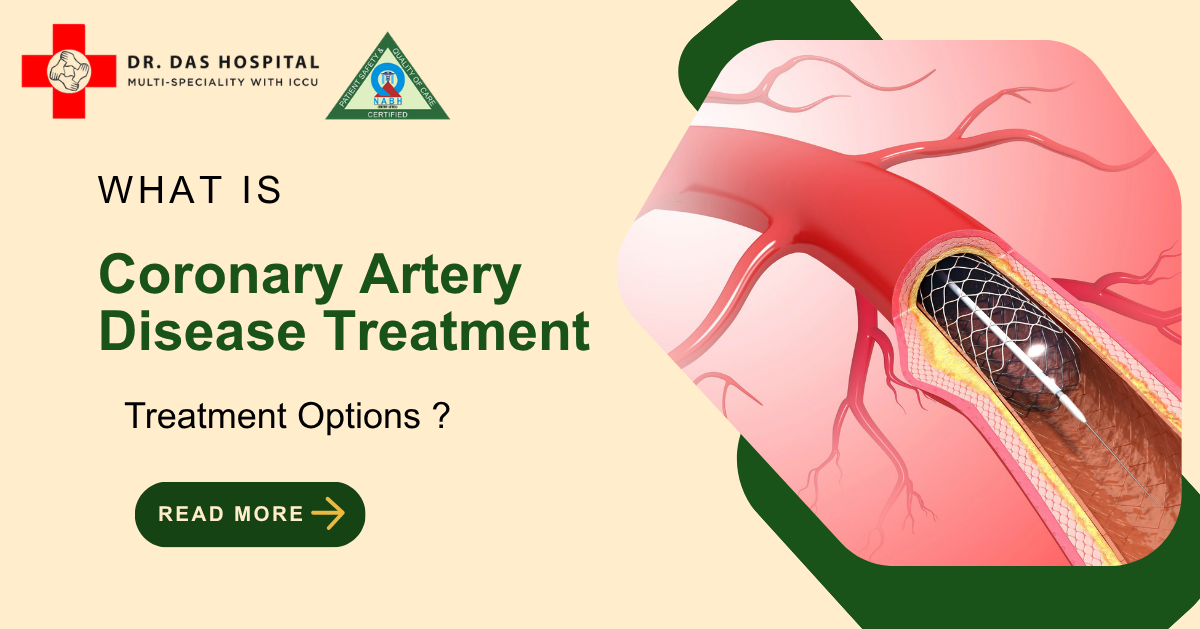
If an artery is significantly narrowed, angioplasty may be recommended. During this minimally invasive procedure:
- A small balloon opens the blocked artery.
- A metal mesh tube called a stent is placed to keep the artery open.
- Blood flow improves almost immediately.
When several arteries are blocked or the blockage is complex, bypass surgery may offer better long-term results. Surgeons use healthy blood vessels from another part of the body to create a new route for blood to reach the heart muscle. This restores blood flow beyond the blockage and reduces symptoms.
Modern Cardiology has made both angioplasty and bypass surgery safer and more effective than ever before.
Can Coronary Artery Disease Be Prevented?
Many cases of CAD can be delayed or prevented through healthy daily habits. You can reduce your risk by:
- Eating more fresh foods and fewer processed foods
- Staying physically active
- Maintaining a healthy body weight
- Controlling diabetes and blood pressure
- Managing cholesterol levels
- Avoiding tobacco products
- Limiting alcohol intake
- Scheduling regular heart screenings, especially after the age of 40 or earlier if you have multiple risk factors
Your daily routine has a bigger impact on your heart than you may realize.
Frequently Asked Questions
Protect Your Heart Before It Sends a Warning
Coronary Artery Disease often develops silently, but early action can make a significant difference. Understanding the risk factors, recognizing symptoms, and making healthier lifestyle choices can lower your chances of serious heart complications. Regular screenings, timely diagnosis, and the right treatment plan help many people lead active and fulfilling lives.
If you or someone you love has symptoms such as chest pain, breathlessness, or unusual fatigue, don’t ignore them. Consulting an experienced Cardiologist in Mumbai can help identify heart problems early and guide you toward the right treatment. At Dr Das Multispeciality Hospital, our Cardiology team provides comprehensive heart evaluation, advanced diagnostics, and personalized treatment plans designed to support long-term heart health. Early care today can help protect your heart for years to come.
List of Consultants

Book a Consultation
Schedule your heart health consultation with our expert Cardiology team at Dr Das Multispeciality Hospital for personalized diagnosis and preventive care.
Book Appointment