Common Bone Fractures: Treatment & Healing Timeline
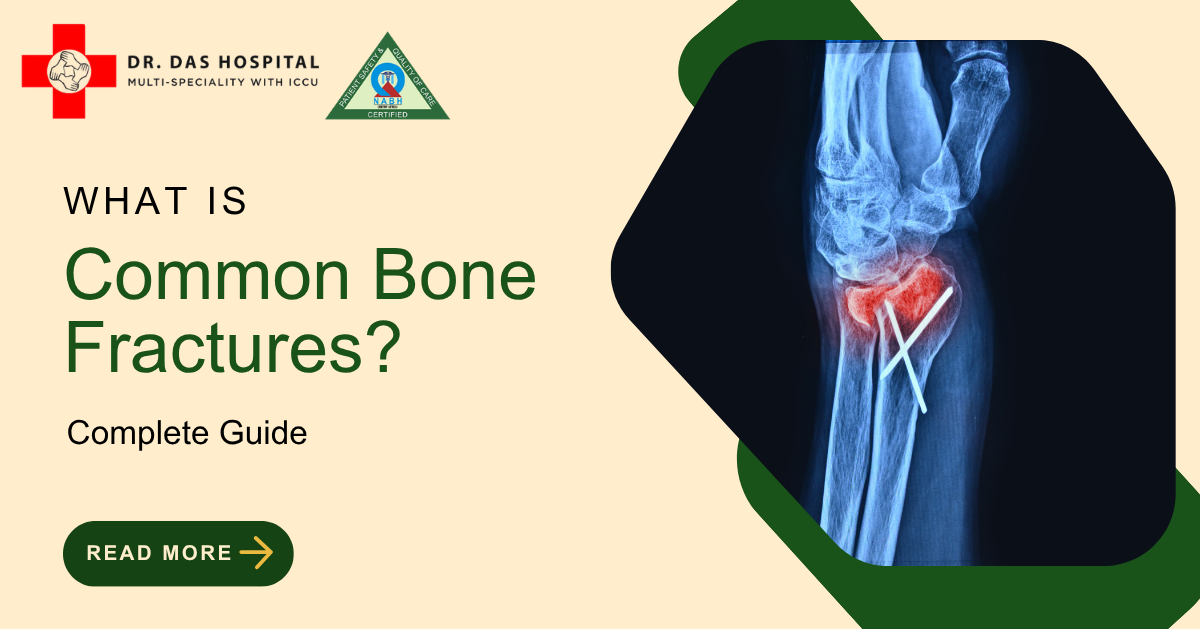
Common Bone Fractures: Treatment & Healing Timeline
Breaking a bone is one of those injuries many people hope to never experience. Still, slips, sports falls, and accidents happen more often than you think. Knowing how fractures heal and what steps help recovery can reduce stress and speed your return to everyday life. This guide explains common bone fractures, how they are treated, and what healing timelines look like. You will also learn when to see an Orthopaedic specialist in Mumbai and how that can impact your recovery.
What Is a Bone Fracture?
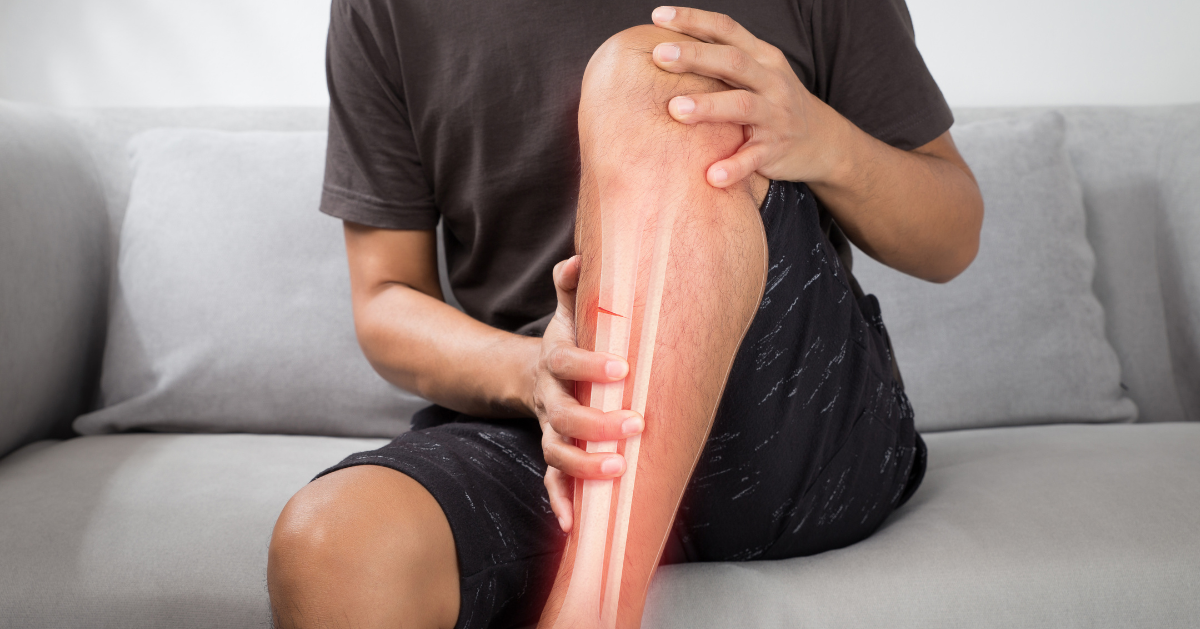
A bone fracture is any break in the structure of a bone. It can range from a hairline crack to a complete break.
Fractures are not always obvious at first. You might feel pain, swelling, or limited movement. Some injuries happen during sports, others from a fall or impact. The type of fracture determines the right treatment and how long it takes to heal.
Seeing an Orthopaedic doctor quickly improves outcomes. These specialists know how to align bones, prevent complications, and guide your rehabilitation.
Common Types of Bone Fractures
The bone breaks but stays below the skin. This is usually easier to treat and has a more predictable healing timeline.
The bone breaks and pierces the skin. There is a higher risk of infection, so effective care matters.
Common in children, the bone bends and cracks on one side. It may look minor but still needs proper alignment and monitoring.
The bone breaks into several pieces. This often needs surgery and stronger medical support.
This is a small crack caused by repetitive activity. Runners and athletes notice this first as persistent pain during motion.
How Orthopaedic Treatment Works
When you visit an Orthopaedic specialist in Mumbai, the doctor will:
- Ask about your injury and symptoms.
- Examine the injury and check for bone alignment.
- Order X-rays or scans to confirm the fracture type.
Treatment depends on the fracture pattern and severity.
Casting and Splints
Reduction (Bone Alignment)
Surgical Intervention
Pain Control
Pain is managed with medication tailored to your needs. Your doctor guides you on safe use and timing.
Physical Therapy
Once the bone starts healing, gentle movement strengthens muscles and restores function. Therapy helps regain range of motion and prevents stiffness.
Healing Timeline by Bone Type
Every fracture heals at its own pace. These timelines are averages, not rules. Healing depends on your age, overall health, and how well you follow medical guidance.
Clavicle fractures are common in bike and shoulder injuries. A simple arm sling often works well.
Wrist fractures cause intense pain and swelling. Early therapy usually begins once the cast is off.
This large bone takes longer to heal. Surgery is common to align the bone.
Weight-bearing bones need careful rehabilitation once they start mending.
Smaller bones heal relatively fast but may require careful use of splints.
What Affects Bone Healing?
Some factors speed recovery, others delay it.
Children heal faster. Adults take longer. Older adults may need extra bone support.
Good nutrition feeds recovery. Calcium, vitamin D, and protein are essential.
Smoking and excess alcohol slow healing. Staying active within safe limits boosts blood flow and supports rebuilding.
Open fractures need careful wound care to prevent infection. Seeing an Orthopaedic expert early helps reduce this risk.
Conditions like diabetes or poor circulation slow recovery and may require additional medical management.
Signs You Need Urgent Care
If you notice any of these signs, seek immediate medical attention at an emergency department or call your Orthopaedic specialist in Mumbai right away.
Frequently Asked Questions
Fractures are common but manageable injuries. With the right care, you can regain full use of the affected limb. Seeing an Orthopaedic specialist in Mumbai ensures your fracture gets the right diagnosis and treatment plan. Hospitals like Das Hospital Mumbai offer modern care that supports better healing and faster return to daily life.
Stay committed to your treatment, follow your care plan, and be gentle with your body as it rebuilds strength. Recovery is a process, and each small step counts toward getting you back to your routine.
List of Consultants

Book Consultation
Consult an Orthopaedic specialist for fracture evaluation and the right treatment plan.
Book Appointment