Cervical Cancer Screening: Importance, Methods, and Prevention Guide

Introduction
Cervical cancer is one of the most preventable cancers affecting women, especially when detected early through regular screening. The disease often develops slowly, beginning with abnormal changes in cervical cells before progressing into cancer. Regular cervical cancer screening helps identify these changes at an early stage, allowing timely treatment and reducing health risks.
Many women delay screening due to fear, lack of awareness, or busy lifestyles. However, these simple tests usually take only a few minutes and can play a crucial role in protecting long-term health.
With advancements in Gynecology , cervical cancer prevention has become more effective through improved screening methods, HPV testing, and early diagnosis. At Dr Das Multispeciality Hospital, women receive comprehensive guidance regarding preventive healthcare, screening schedules, and personalized gynecological care.
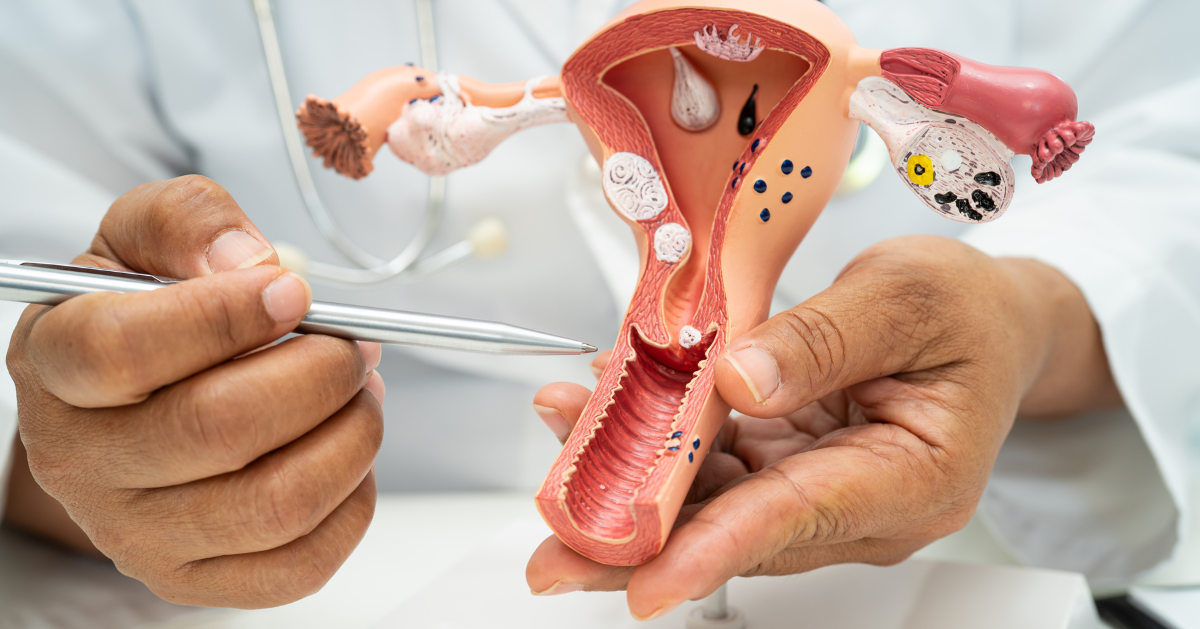
What Is Cervical Cancer Screening?
Cervical cancer screening is a preventive health check that detects abnormal changes in cervical cells before they develop into cancer. The main screening methods include Pap smear testing, HPV testing, and co-testing.
The cervix is the lower part of the uterus that connects to the vagina. Cervical cancer usually develops gradually due to persistent infection with high-risk strains of human papillomavirus (HPV).
Screening allows doctors to identify:
- Precancerous cell changes
- High-risk HPV infections
- Early signs of cervical abnormalities
Early detection gives doctors an opportunity to treat abnormal cells before they become harmful.
Why Is Cervical Cancer Screening Important?
Cervical cancer often does not cause noticeable symptoms during its early stages. By the time symptoms appear, the disease may have progressed.
Regular screening helps:
- Detect abnormal cells early
- Prevent cancer development
- Reduce the risk of advanced disease
- Improve treatment outcomes
Preventive care is an important part of women's health management, and routine screening should be discussed during regular visits with a healthcare professional.
A qualified Gynecologist in Mumbai can help women understand their personal risk factors and recommend the appropriate screening schedule based on age, medical history, and previous test results.
What Causes Cervical Cancer?
The primary cause of cervical cancer is persistent infection with high-risk types of human papillomavirus (HPV). HPV is a common virus transmitted mainly through sexual contact. While many HPV infections clear naturally, certain high-risk strains can cause changes in cervical cells over time.
Other factors that may increase cervical cancer risk include:
Tobacco chemicals can damage cervical cells and reduce the body's ability to fight HPV infections.
Conditions that weaken immunity may increase the risk of HPV-related cervical changes.
Persistent infection with high-risk HPV strains is the strongest known risk factor for cervical cancer.
Certain lifestyle and health factors may influence overall cervical health and should be discussed during medical consultations.
What Are the Different Methods of Cervical Cancer Screening?
There are three commonly used cervical cancer screening methods:
A Pap smear, also known as a Pap test, is one of the most widely used cervical screening methods.
During the procedure:
- A doctor collects a small sample of cervical cells
- The sample is examined in a laboratory
- Abnormal cell changes are identified
The HPV test checks for the presence of high-risk HPV strains that are associated with cervical cancer development.
During the test:
- Cervical cells are collected using a small brush
- The sample is analyzed for HPV genetic material
- Results help determine future risk levels
Co-testing combines both Pap smear and HPV testing during the same screening visit.
This approach provides information about:
- Whether high-risk HPV is present
- Whether cervical cells show abnormal changes
At What Age Should Cervical Cancer Screening Begin?
Screening recommendations may vary depending on individual health history and medical guidelines.
Generally:
- Younger women may begin with Pap smear testing according to recommended age guidelines.
- Women between 30 and 65 years may have options such as HPV testing, Pap smear testing, or co-testing.
- Women with previous abnormal results may require more frequent monitoring.
Your doctor can recommend the most suitable screening plan based on your personal health needs.
How Should You Prepare for a Cervical Cancer Screening Test?
Proper preparation can help ensure accurate results. Before your appointment:
- Avoid scheduling the test during heavy menstrual bleeding
- Avoid vaginal creams or medications before screening unless advised
- Avoid sexual intercourse for a short period before the test if recommended
- Inform your doctor about unusual symptoms
You can also prepare questions about your menstrual health, previous test results, or any concerns you may have.
Understanding Cervical Cancer Screening Results
Receiving abnormal results can feel stressful, but an abnormal screening result does not always mean cancer.
A normal result means no significant abnormal cell changes or high-risk HPV infection were detected. You can continue screening according to your recommended schedule.
An abnormal result means changes were found that require further evaluation. Possible next steps may include: repeat screening, HPV monitoring, colposcopy, or cervical biopsy. These additional tests help doctors understand the exact cause of the changes.
What Happens During a Colposcopy?
A colposcopy is a procedure used to closely examine the cervix after an abnormal screening result. During the procedure:
The procedure helps doctors accurately evaluate cervical changes and decide the next treatment step.
How Can You Reduce Your Risk of Cervical Cancer?
You can lower your risk by:
Preventive healthcare plays a major role in identifying problems before they become serious.
Conclusion
Cervical cancer screening is one of the most effective ways to protect women's health. Tests like Pap smears, HPV testing, and co-testing help identify abnormal changes early and allow timely medical intervention.
Regular screening, awareness of risk factors, and professional guidance can significantly improve prevention and treatment outcomes.
Dr Das Multispeciality Hospital focuses on providing comprehensive women's healthcare services with advanced diagnostic support and personalized treatment guidance.
If you are due for cervical cancer screening or have concerns about your reproductive health, consulting an experienced healthcare professional in Gynecology can help you take the right steps toward prevention and long-term wellness.
Frequently Asked Questions (FAQs)
List of Consultants

Book a Consultation
Schedule your cervical cancer screening consultation with our expert Gynecology team at Dr Das Multispeciality Hospital for personalized diagnosis and preventive care.
Book Appointment