Right Lower Abdominal Pain: Signs of Appendicitis & Recovery

Right Lower Abdominal Pain: Signs of Appendicitis & Recovery
Sharp pain that starts near your belly button and moves to the lower right side of your abdomen is a classic warning sign of appendicitis. An inflamed appendix can rupture, sometimes within hours of symptoms developing. This makes early medical attention important.
Appendicitis can affect anyone, including children, adults, and pregnant women. Knowing which symptoms need emergency care, how doctors confirm the diagnosis, and what recovery involves can help you make informed decisions.
When Is Right Lower Abdominal Pain an Emergency?
Seek immediate medical attention if you experience severe, persistent, or worsening abdominal pain, especially with fever, vomiting, or a swollen abdomen.
Do not wait for the pain to become unbearable. Appendicitis may progress even when symptoms initially seem mild.
You should visit an emergency department if you notice:
- Pain that becomes sharper when walking, coughing, or moving
- Pain spreading across your abdomen
- Persistent vomiting with increasing abdominal discomfort
- A rigid, swollen, or extremely tender abdomen
- Sudden severe abdominal pain, particularly with fainting or dizziness
Avoid eating or drinking until you receive medical advice if emergency surgery may be needed. Do not take laxatives or attempt home remedies to relieve suspected appendicitis.

1. What Happens Inside Your Appendix?
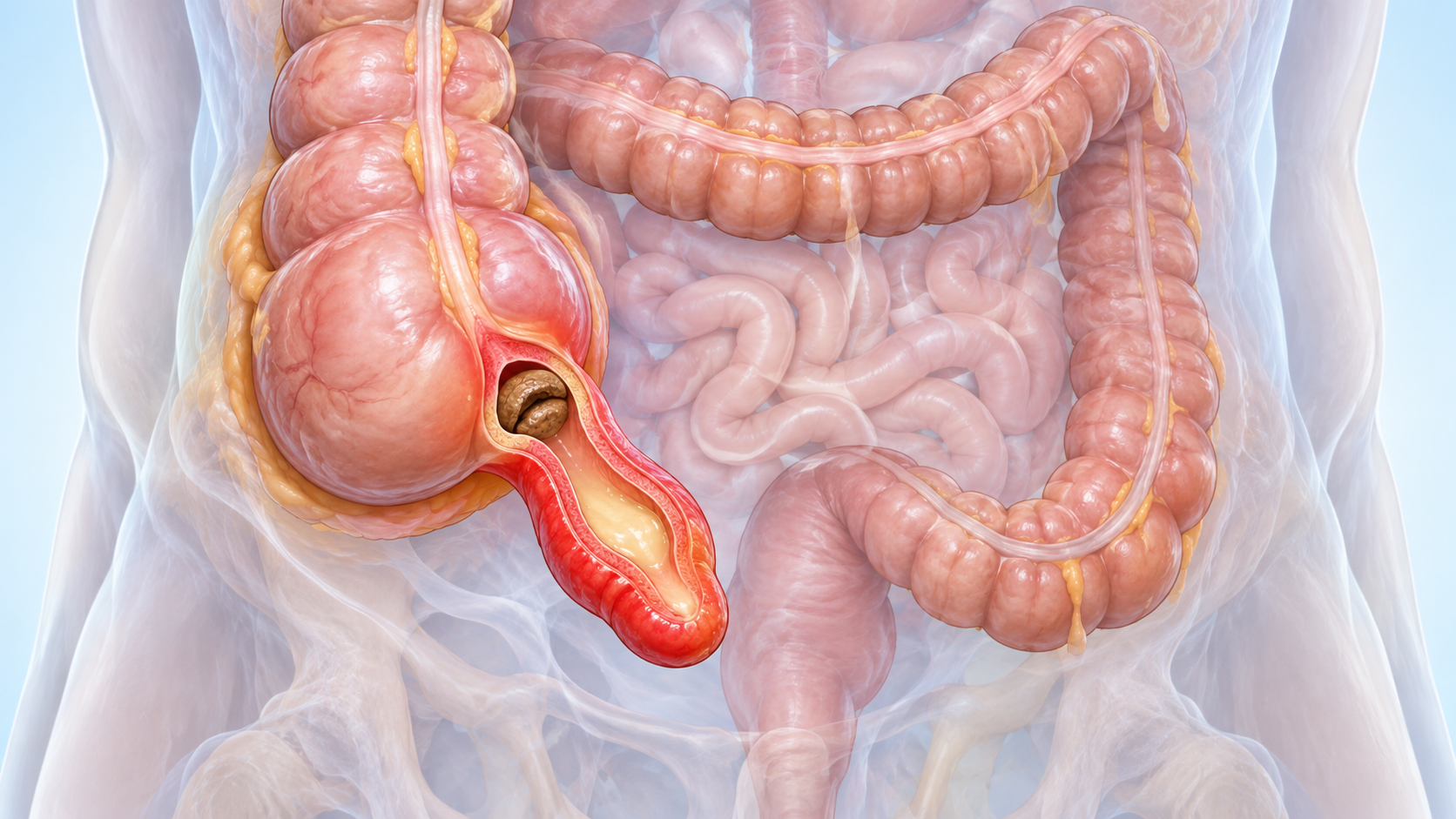
The appendix is a small, tube-shaped pouch connected to your large intestine. Appendicitis develops when its opening becomes blocked, often by hardened stool or swollen lymphatic tissue.
Once blocked, mucus and fluid accumulate inside the appendix. This increases pressure within the narrow tube, a process called intraluminal pressure.
As pressure rises, blood circulation can become restricted. The appendix swells, becomes inflamed, and may eventually rupture.
A ruptured appendix can release infected material into the abdominal cavity, causing peritonitis or an abscess.
This explains why doctors treat suspected appendicitis as an urgent condition rather than ordinary stomach discomfort.
2. Recognising the Early Signs of Appendicitis
Appendicitis does not always begin with severe pain. Symptoms may develop gradually and become more noticeable over several hours.
The classic pain migration pattern
One of the most recognised signs is pain that:
- Begins near the belly button
- Gradually moves towards the lower right abdomen
- Becomes sharper and more constant
- Worsens during movement, coughing, or walking
Doctors often examine an area called McBurney's point, located in the lower right abdomen, where tenderness may suggest appendicitis.
Not everyone experiences this pattern. Children, older adults, and pregnant women may have less typical symptoms.

Other symptoms to watch for
- Loss of appetite: You may suddenly lose interest in food.
- Nausea or vomiting: These symptoms often develop after abdominal pain begins.
- Fever: A mild fever may occur as inflammation increases.
- Bloating or bowel changes: Some people experience constipation, diarrhoea, or abdominal swelling.
If these symptoms occur alongside increasing abdominal pain, seek urgent evaluation.
3. Appendicitis or Something Else? Understanding Similar Symptoms
Pain in the lower right abdomen does not automatically mean appendicitis. Several conditions can cause discomfort in the same area.
| Condition | Symptoms that may help distinguish it |
|---|---|
| Appendicitis | Pain often moves from the navel to the lower right abdomen and becomes persistent |
| Kidney stones | Severe pain may travel from the back or side towards the groin |
| Urinary tract infection | Burning urination, frequent urination, and lower abdominal discomfort |
| Ovarian cyst | One-sided pelvic pain, sometimes sudden and severe |
| Ectopic pregnancy | Pelvic pain, possible vaginal bleeding, dizziness, or fainting |
| Gastrointestinal infection | Abdominal cramps, diarrhoea, and vomiting |
These symptoms overlap, so they cannot reliably confirm or exclude appendicitis.
Important for women: An ectopic pregnancy can cause pain similar to appendicitis and may lead to life-threatening internal bleeding. Sudden pelvic pain, fainting, or pain with vaginal bleeding requires emergency assessment.
Ovarian torsion, another emergency involving twisting of the ovary, can also cause sudden one-sided pain.
4. How Is Appendicitis Diagnosed at the Hospital?
When you arrive at the hospital, the medical team first evaluates your pain, temperature, pulse, and overall condition.
Your doctor examines your abdomen for tenderness, guarding, or signs of inflammation.
Blood and urine tests
Blood tests help identify signs of infection or inflammation. Urine testing helps rule out urinary conditions.
A pregnancy test may be necessary for patients who could be pregnant.
Ultrasound or CT scan?
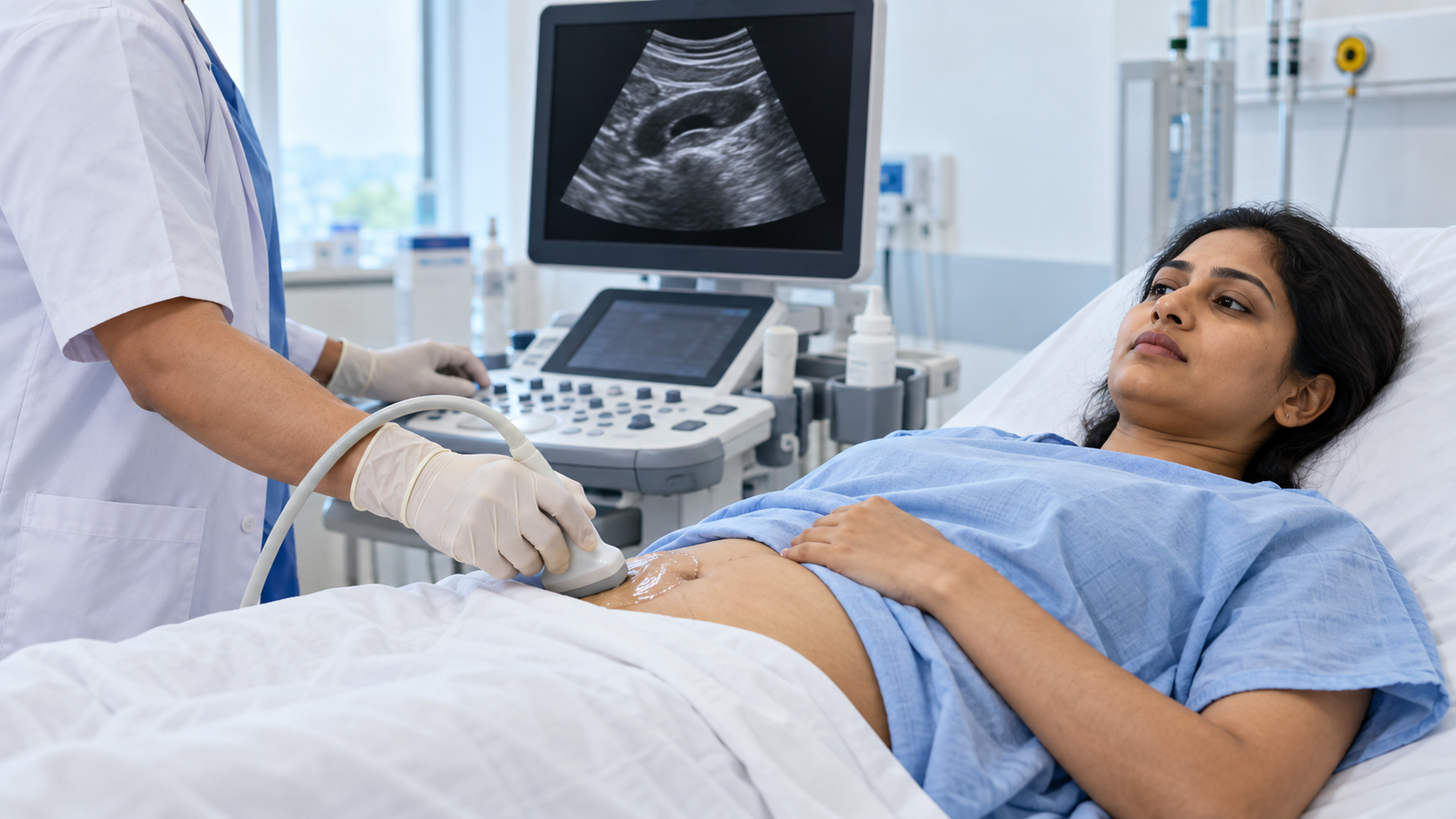
Ultrasound is commonly the first imaging test for children and pregnant patients because it avoids ionising radiation.
CT scans provide detailed abdominal images and are often used in nonpregnant adults when appendicitis is suspected. They can help identify complications such as an abscess.
MRI may be considered during pregnancy if ultrasound results remain unclear.
At Dr Das Multispeciality Hospital, patients seeking evaluation for abdominal pain can discuss the appropriate diagnostic and treatment pathway with the surgical team.
5. Appendicitis Treatment: Surgery or Antibiotics?
Treatment depends on whether the appendix is inflamed without complications or has developed a perforation or abscess.
Uncomplicated appendicitis
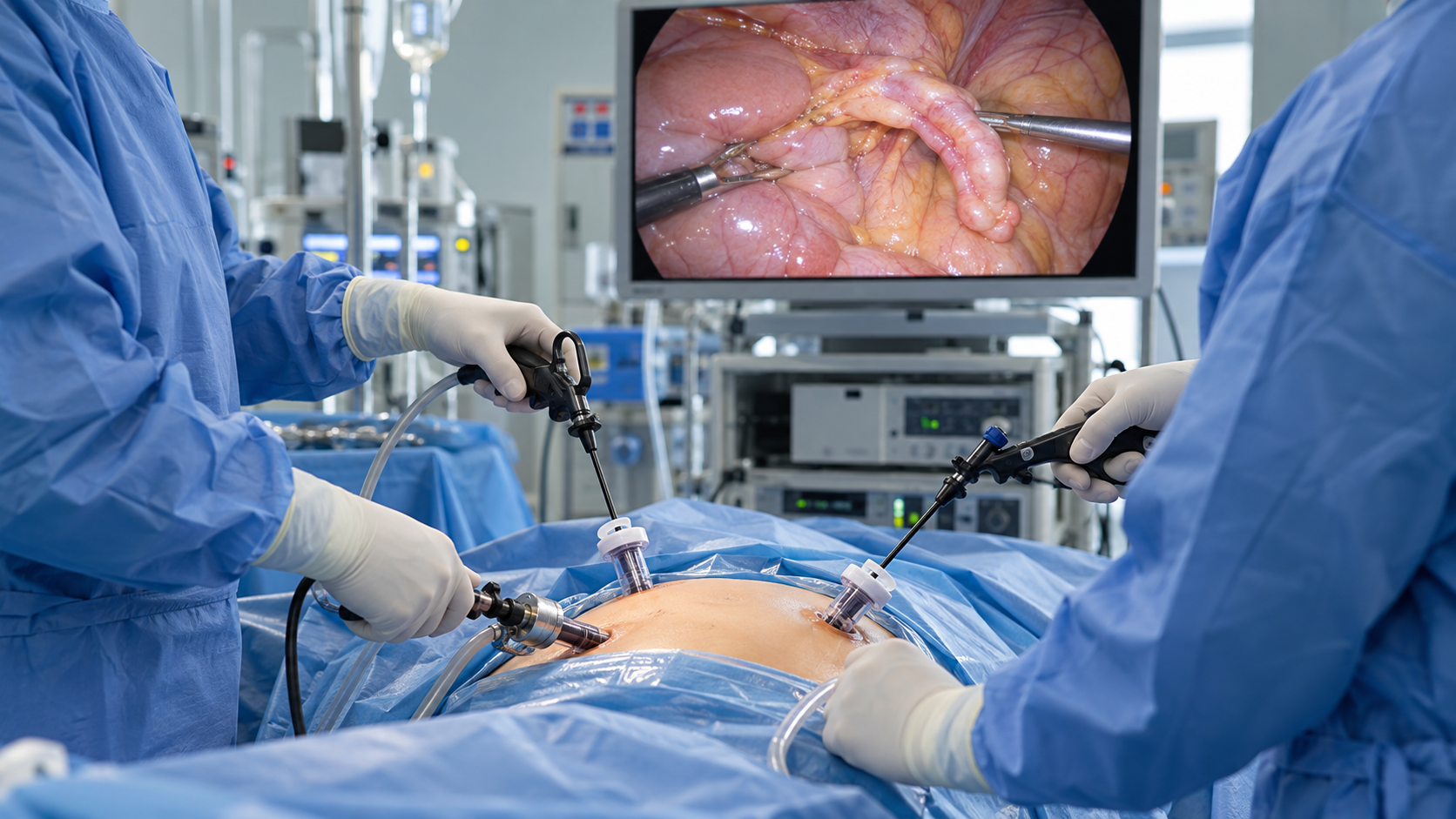
Laparoscopic appendectomy is a standard surgical approach for many patients.
During the procedure, the surgeon makes small abdominal incisions, inserts a camera, and removes the appendix using specialised instruments.
Potential benefits include smaller wounds, less postoperative discomfort, and faster recovery compared with open surgery in suitable patients.
Some patients with uncomplicated appendicitis may be offered antibiotics after careful assessment. This option carries a risk of recurrence and later surgery.
Ruptured or complicated appendicitis
A ruptured appendix requires urgent hospital treatment. Depending on the findings, treatment may include intravenous antibiotics, abscess drainage, and surgery.
A rupture does not automatically require open surgery. Laparoscopic surgery remains possible in many complicated cases, while open surgery may be necessary in selected situations.
Patients looking for General & Laparoscopic Surgery services should understand that the safest treatment depends on the severity of infection and the surgeon's assessment.
6. Recovery After Appendix Surgery: A Practical Timeline
Recovery varies according to the surgical approach and whether complications occurred.

| Timeline | Stage | What to expect |
|---|---|---|
| Day 1–2 | Early recovery | Mild incision pain, bloating, and shoulder discomfort from the carbon dioxide gas used during laparoscopy are common. Short walks help relieve gas discomfort and support circulation. |
| Days 3–7 | Gradual improvement | Walking and basic daily activities usually become easier. Avoid heavy lifting and follow your surgeon's wound-care instructions. |
| Weeks 1–2 | Return to light activities | Many patients resume desk work after uncomplicated laparoscopic surgery, depending on pain levels and medical advice. |
| Weeks 2–6+ | Return to regular routines | Strenuous exercise and heavy lifting require surgical clearance. Recovery may take longer after open surgery or a ruptured appendix. |
Red flags after appendix surgery
Contact your surgical team promptly if you notice:
- Fever of 38°C or higher
- Increasing abdominal pain or swelling
- Foul-smelling discharge or pus from an incision
- Persistent vomiting
- Increasing redness around the wound
A rigid abdomen, severe worsening pain, or fainting requires emergency care.
Frequently Asked Questions
Conclusion
Right lower abdominal pain can signal appendicitis, especially when discomfort moves from the belly button, becomes persistent, or occurs with fever and vomiting. Early diagnosis helps reduce the risk of rupture and serious infection. Treatment may involve laparoscopic surgery, open surgery, or antibiotics in carefully selected cases. Recovery depends on the severity of appendicitis and the treatment performed. If you experience symptoms suggesting appendicitis, seek urgent medical attention. Timely care and appropriate follow-up can support a safe recovery and help you return to your daily routine.