Appendicitis: Early Signs, Symptoms, and When to Seek Medical Help
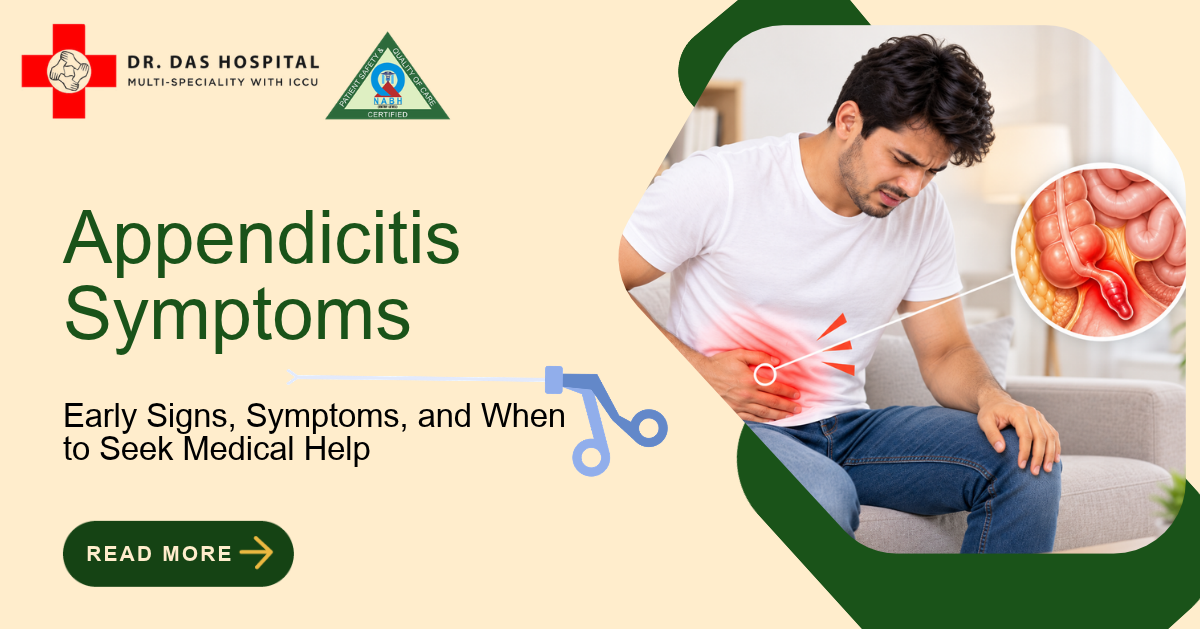
Appendicitis: Early Signs, Symptoms, and When to Seek Medical Help
Is your stomach pain just gas, or could it be appendicitis? The difference isn't always obvious.
Appendicitis can begin with mild abdominal discomfort and become a medical emergency within hours. The pain may initially seem manageable, making it easy to delay treatment. But ignoring worsening symptoms can increase the risk of a ruptured appendix.
Recognising unusual pain patterns and knowing when to seek medical help can prevent serious complications.
Experiencing Stomach Pain Right Now? Check These Warning Signs
Seek emergency medical attention if you notice:
- Abdominal pain that becomes progressively worse.
- Pain shifting from around your navel to the lower right abdomen.
- Increased discomfort while coughing, walking, or moving.
- Persistent pain accompanied by fever, nausea, or vomiting.
- Severe abdominal tenderness or swelling.
Do not wait for every symptom to appear. Appendicitis requires prompt medical evaluation.

Early Signs of Appendicitis: How Symptoms Progress
Appendicitis symptoms often follow a recognisable pattern, but the timing varies. Some people develop severe symptoms quickly, while others experience less obvious changes.
Early Stage: Mild Abdominal Discomfort
The first symptom is often a dull ache near the belly button.
At this stage, you might mistake the discomfort for indigestion or trapped gas.
Other early symptoms include:
- Sudden loss of appetite.
- Mild nausea.
- General abdominal discomfort.
- Feeling unusually unwell.
One important clue is that abdominal pain often begins before vomiting.
As Inflammation Progresses: Pain Becomes Localised
Over the following hours, the pain may move towards the right lower abdomen.
Doctors often examine an area called McBurney's point, located approximately one-third of the distance from the right hip bone towards the navel.
Tenderness in this region can suggest appendicitis, although it does not confirm the diagnosis.
Later Symptoms: Increasing Pain and Tenderness
As inflammation worsens, you may develop:
- Low-grade fever.
- Persistent abdominal pain.
- Vomiting.
- Difficulty walking comfortably.
- Pain when coughing or travelling over road bumps.
Doctors may also identify rebound tenderness, where pain increases when pressure on the abdomen is released.
Not everyone follows this sequence. Atypical symptoms are common enough that you should not use a timeline to decide whether medical attention can wait.
When Is Appendicitis an Emergency?
Appendicitis becomes dangerous when inflammation leads to perforation, commonly called a ruptured appendix.
A rupture can release infected material into the abdominal cavity, causing peritonitis or an abscess.
Seek emergency care immediately if you develop severe or spreading abdominal pain, a rigid abdomen, high fever, repeated vomiting, or extreme weakness.
What Not to Do While Waiting for Medical Care
If appendicitis is suspected:
- Do not eat or drink until the emergency team advises you. Anaesthesia or surgery may be necessary.
- Do not take laxatives or enemas to relieve constipation.
- Avoid heating pads and unproven home remedies.
- Do not repeatedly press your abdomen or attempt physical tests on yourself.
- Do not delay treatment while waiting for painkillers to work.
Pain relief does not necessarily hide appendicitis. Doctors can provide appropriate medication without compromising diagnosis.
If you are searching for a General Surgeon in Mumbai because of severe abdominal pain, visit an emergency department first rather than waiting for a routine appointment.
Can Appendicitis Symptoms Be Different in Children, Older Adults, and Pregnant Women?
Appendicitis does not always cause the same symptoms in everyone.
Appendicitis in Children
Young children may struggle to explain where their pain occurs.
Watch for vomiting, refusal to eat, fever, unusual tiredness, or pain that makes walking uncomfortable.
Appendicitis in Older Adults
Older adults may experience less pronounced pain or fever.
These subtle symptoms can delay diagnosis and increase the likelihood of complications.
Appendicitis During Pregnancy
Pregnancy can make appendicitis harder to identify.
As the uterus grows, it may change the position of the appendix. Pain can sometimes occur along the right side or higher in the abdomen, although lower right abdominal pain remains common.
Symptoms may resemble pregnancy-related discomfort or gallbladder problems.
Persistent abdominal pain during pregnancy requires urgent medical assessment.
How Do Doctors Diagnose Appendicitis?
There is no single symptom or home test that confirms appendicitis.
A General Surgeon in Mumbai may evaluate your medical history, examine your abdomen, and recommend appropriate investigations.
Physical Examination
Doctors may check several clinical signs:
- McBurney's point tenderness: Pain over a specific area of the lower right abdomen.
- Rovsing's sign: Pain on the right side when the doctor applies pressure on the left abdomen.
- Psoas sign: Pain triggered by certain right hip movements.
- Rebound tenderness: Increased pain when abdominal pressure is released.
These findings help guide diagnosis but cannot confirm or exclude appendicitis alone.
Blood Tests and Imaging
Blood tests may identify increased white blood cells or inflammatory markers.
Ultrasound helps examine the appendix without radiation, particularly in children and pregnant patients.
A CT scan provides detailed images when further evaluation is needed. MRI may be preferred in selected situations.
Appendicitis Treatment and Recovery: What Should You Expect?
Treatment depends on whether the appendix is inflamed, ruptured, or surrounded by an abscess.
Laparoscopic Appendectomy
A Laparoscopic Surgeon in Mumbai may remove the appendix through several small incisions using a camera and surgical instruments.
Potential benefits include smaller wounds, less postoperative discomfort, and faster recovery.
Patients with uncomplicated appendicitis may go home the following day. Many resume routine activities within one to two weeks.
Temporary shoulder-tip discomfort can occur because carbon dioxide gas used during surgery irritates the diaphragm.
Open Surgery and Complicated Appendicitis
Open appendectomy uses a larger abdominal incision.
It may be necessary in complicated cases or when laparoscopic surgery is unsuitable.
A ruptured appendix may require additional antibiotics, abscess drainage, and a longer hospital stay.
Can Antibiotics Replace Surgery?
Some patients with uncomplicated appendicitis can receive antibiotics instead of immediate surgery.
The condition may return, and some patients eventually require an appendectomy.
A Laparoscopic Surgeon in Mumbai can discuss whether surgery or non-operative treatment is appropriate.
At Dr Das Multispeciality Hospital, patients seeking surgical consultation can discuss treatment choices and expected recovery based on their individual condition.
What Causes Appendicitis?
The appendix is a small pouch attached to the beginning of the large intestine.
Appendicitis develops when inflammation affects this pouch, often following a blockage.
Possible causes include:
- Fecalith: A small piece of hardened stool that blocks the appendix.
- Lymphoid hyperplasia: Swelling of immune tissue, sometimes following infection.
- Inflammatory conditions: Certain intestinal diseases can contribute to swelling.
- Rare growths: Tumours may occasionally obstruct the appendix.
In many patients, the exact cause remains unknown.

Appendicitis is not usually caused by eating spicy food or swallowing fruit seeds.
Frequently Asked Questions About Appendicitis
Conclusion
Appendicitis may initially resemble an ordinary stomach ache, but worsening abdominal pain deserves attention. Recognising changes in pain, understanding associated symptoms, and seeking timely medical evaluation can reduce the risk of rupture and other complications. Early diagnosis also helps doctors determine whether surgery or another treatment approach is appropriate. If you are experiencing persistent abdominal pain, do not rely on home remedies or wait for the symptoms to become severe. Prompt medical care gives you the best chance of a safe recovery.